Mental Health Retreat: How to Choose One That Truly Helps You Reset
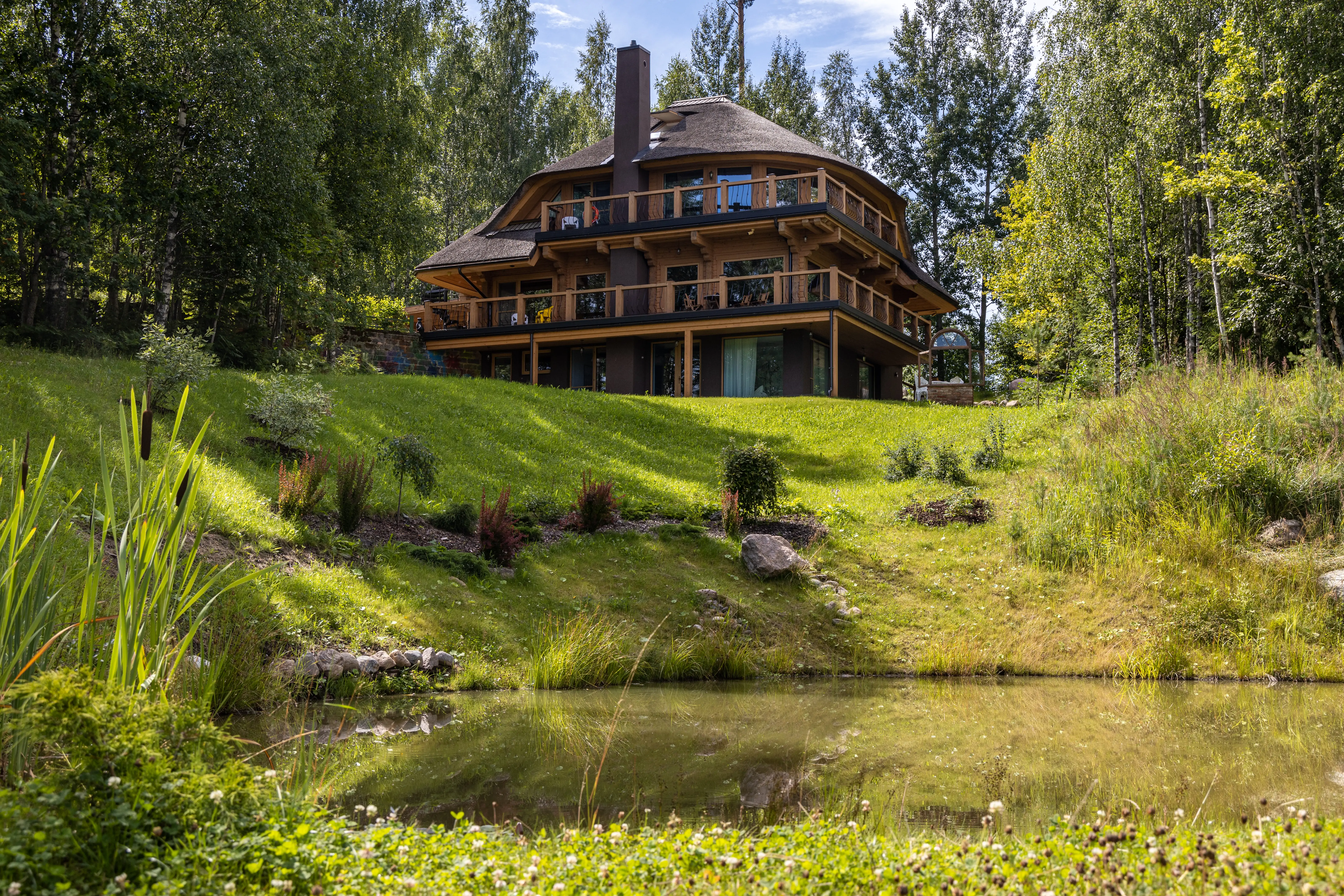
Narbuli Retreat House stands on a hillside above a lake in a Latvian forest village, a short flight from London. Tell us what you need, and we will help you choose the format that suits you best.
- What a mental health retreat is — and what it is not
- Who can benefit from a mental wellness retreat
- How to choose a mental health retreat
- Where people usually look — and what they find
- Why some travellers choose Latvia
- Narbuli Retreat House: a quiet place by the lake
- Choosing the right format for you
- Practical tips for travelling to Latvia
- FAQ
There comes a point when a weekend off no longer works. You sleep, catch up on emails, see friends, and by Monday morning the same tiredness is back, along with the restless thoughts and the feeling of running on empty. A mental health retreat exists for exactly this moment. It gives you several days away from routine, screens and obligations, in a place designed for rest, reflection and inner quiet.
A retreat is not a holiday, and it is not a clinic. It sits somewhere in between: a structured pause where you can slow down enough to notice what is actually going on inside you. The right place and format can make the difference between coming home slightly more rested and coming home with a clearer sense of direction.

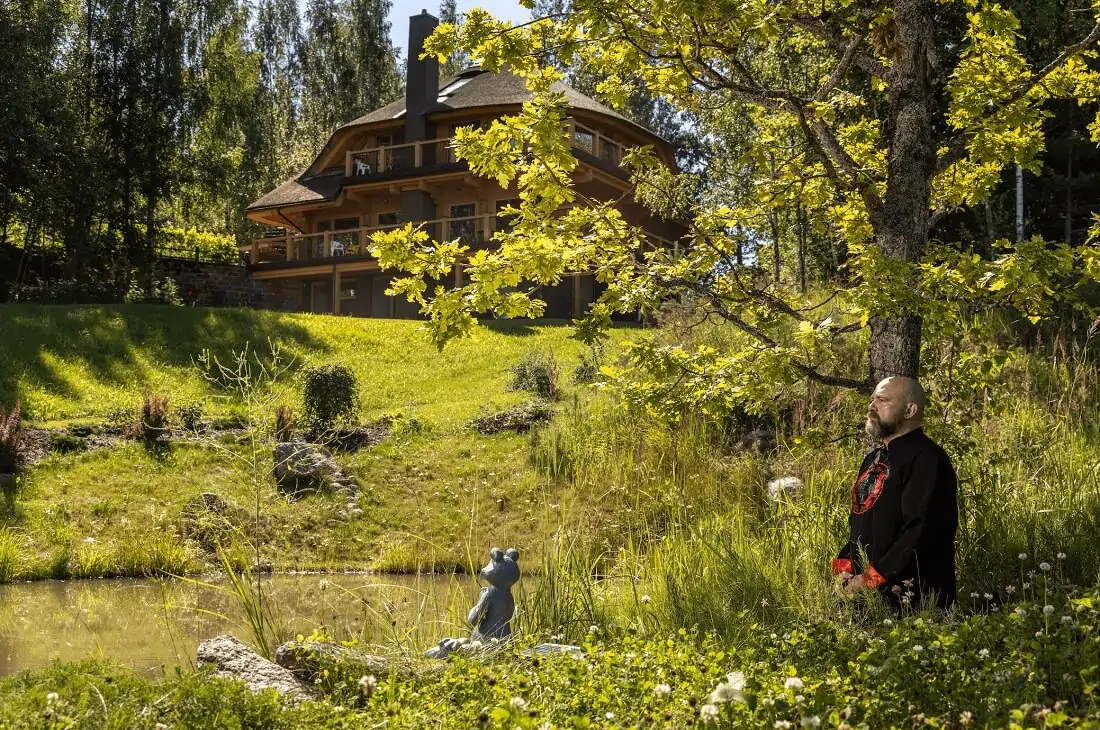
A retreat is space to slow down and hear yourself again
What a Mental Health Retreat Is — and What It Is Not
A mental health retreat is a stay of anywhere from two days to two weeks, built around practices that calm the nervous system and create space for self-reflection. Depending on the programme, this may include meditation, silence, breathwork, gentle movement, journalling, time in nature and conversations with an experienced facilitator.
| Type of stay | Main focus | Best suited to |
|---|---|---|
| Mental health retreat | Rest, silence, self-reflection and inner work, often with a facilitator. | People facing burnout, ongoing stress or a life transition |
| Mental wellness retreat | General wellbeing and prevention, with a softer, gentler pace. | Those who feel tired or overwhelmed rather than in distress |
| Spa break | Physical relaxation and comfort. | A pleasant rest that rarely changes how you relate to stress at home |
Who Can Benefit From a Mental Wellness Retreat
Retreats are not reserved for people at breaking point. Most guests are ordinary people who have reached a natural limit. A mental wellness retreat can be particularly helpful if you:
- feel burnt out at work and cannot remember the last time you truly switched off;
- live with ongoing stress that affects your sleep, mood or concentration;
- are going through a life transition, such as a breakup, a career change, a move or a loss;
- want to reconsider your priorities without the noise of everyday life;
- need a digital detox and a break from constant notifications;
- are curious about meditation or silence but find it hard to practise at home.
How to Choose a Mental Health Retreat
The options can feel endless, and the descriptions often sound alike. These criteria will help you narrow them down.
- Format. Silent retreats allow the mind to settle and emotions to surface. Self-guided retreats give you a quiet space and suggested practices, with the freedom to set your own rhythm. Individual retreats offer one-to-one guidance tailored to your situation. Group programmes provide a shared experience with a fixed schedule.
- Group size. Large groups can feel energising, but if you are exhausted, a small and intimate setting is usually gentler. Fewer people mean more quiet and more attention from the facilitators.
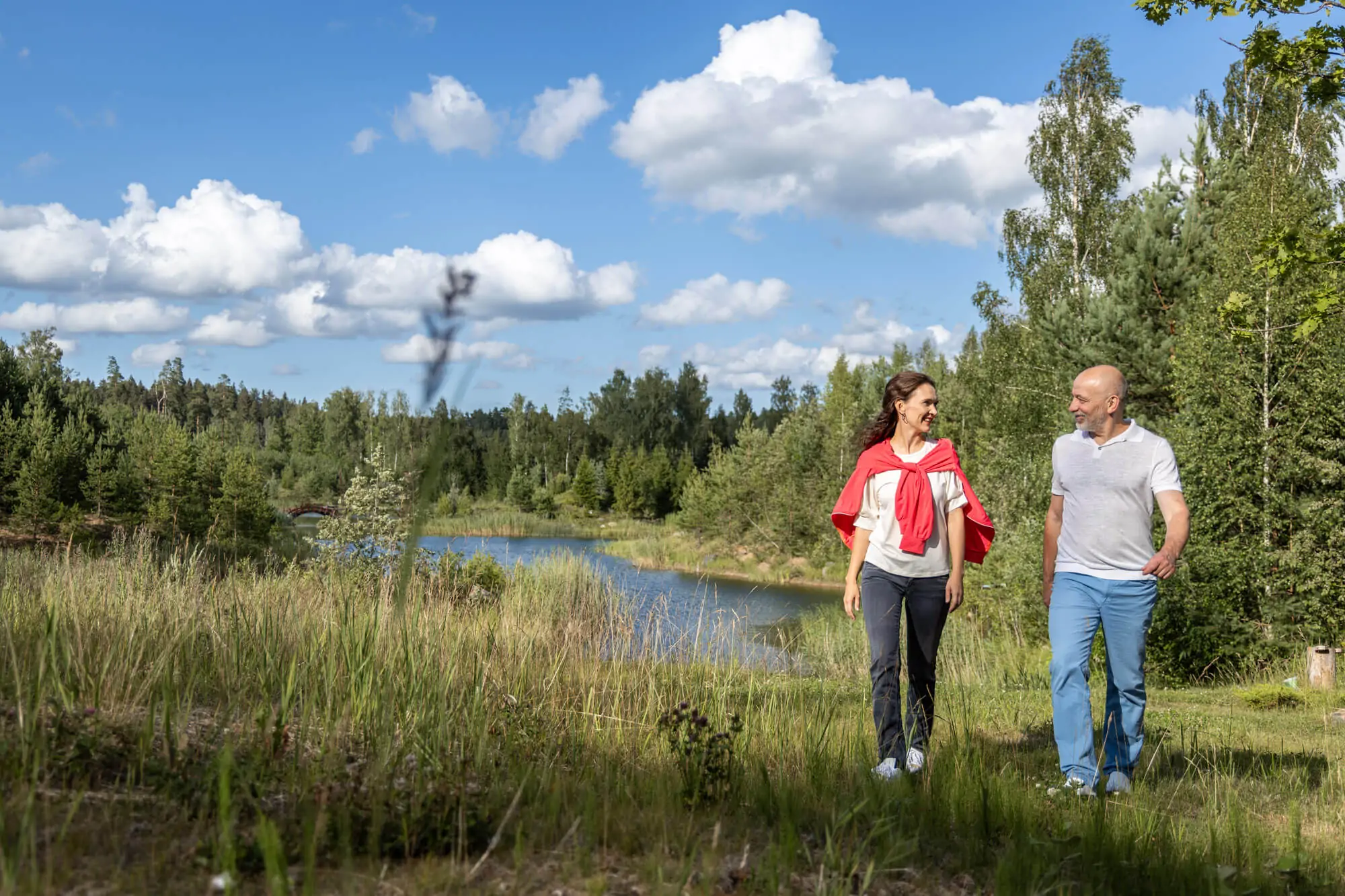
- Setting. Nature is not a decorative extra. Forests, water and open space have a calming effect, and a remote location makes it far easier to leave daily life behind.
- Facilitators. Look for clear information about who runs the programmes, their background and how they work with participants.
- Cost and travel. Consider the full price: accommodation, programme, meals and the journey there. A retreat that seems affordable can become expensive once travel and extras are added.
- Atmosphere. Photos and reviews will tell you a lot. Ask yourself whether the place feels like somewhere you could genuinely rest, or merely somewhere pleasant to visit.
Forest, water and silence become part of the practice
Where People Usually Look for a Retreat — and What They Find
Most people begin close to home. For anyone searching for a mental health retreat in the UK, the first discovery is usually that there are plenty of beautiful places, but far fewer that match what they actually need. Many venues focus on luxury, spa treatments or large group events. Those offering quiet, depth and genuine inner work are fewer in number, and their popular dates are often booked months in advance.
Mental health retreats in the UK also tend to sit at the higher end of the price range, particularly residential programmes in rural areas. Once you add the cost of getting there by train or car, a few days away can become a significant investment, enough to make many people postpone the idea altogether.
Why finding the right retreat is harder than it seems
The search for an affordable mental health retreat in the UK often ends in compromise: a shorter stay than you wanted, a busier venue, or a programme that does not quite fit. None of this is anyone’s fault. Demand for rest and recovery has grown quickly, while the number of genuinely quiet, well-run spaces has not kept pace.
For this reason, more people are widening their search beyond their own country. A short flight can open up places where nature is wilder, crowds are smaller and the price of a longer stay is far more manageable.
Why Some Travellers Choose Latvia
Latvia is one of the greenest countries in Europe: more than half of its territory is covered by forest. Outside the cities, the landscape is made up of pine woods, lakes, rivers and long stretches of quiet countryside, with very few people in sight.
- A short journey. From London, a direct flight to Riga takes around two and a half hours, roughly the same as a long train journey within Britain. Once you land, you can be surrounded by forest within an hour.
- Better value. In the Baltics, accommodation and retreat programmes are generally noticeably more affordable than in many parts of the UK. This often means you can stay longer, which matters because the real shift on a retreat tends to happen after the first two or three days, once the mind stops racing.
- A genuine change of scene. A different country, a different language around you and an unfamiliar landscape all help you step out of your usual patterns more quickly.
Narbuli Retreat House: A Quiet Place by the Lake
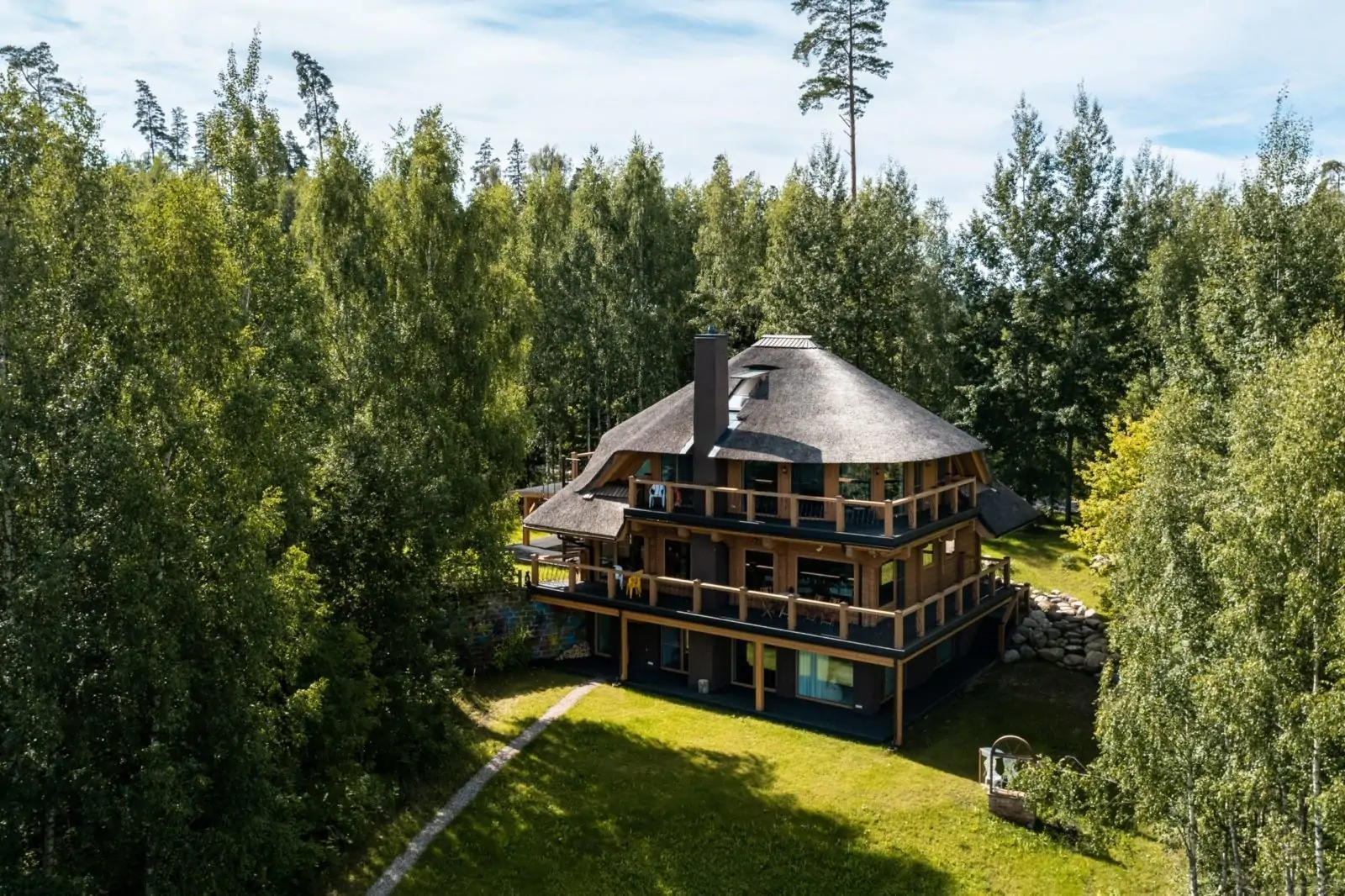
Narbuli Retreat House stands on a hillside sloping down to a lake in Amatciems, a forest eco-village in Latvia. Around 100 houses are scattered through the untouched woodland, all built from wood and stone under thatched roofs. The village was designed for people who value silence and solitude without giving up everyday comfort.
The house itself is unlike a conventional retreat centre. Its nine rooms are each designed around a different archetype: the King, the Warrior, the Magician, the Lover, the Jester, the Shadow, the Self, the Inner Child and the Inner Teenager. Every room has its own character and atmosphere, and guests often describe how the space quietly shapes what they notice about themselves during their stay.
- up to 12 participants, so the atmosphere stays calm and personal;
- a 48 m² practice hall for meditation and group work;
- balconies and outdoor spots for solitude and contemplation;
- around 80 km from Riga, with a transfer from the airport of roughly 50 minutes;
- the option to book individual rooms or the whole house.

Narbuli Retreat House: forest, lake and stillness
Choosing the Right Format for You
At Narbuli, there are several ways to experience a mental health retreat, depending on what you need.
| Format | How it works | Who it suits |
|---|---|---|
| Self-guided retreat | You stay in one of the archetype rooms and receive personal guidance along with a set of practices for inner dialogue. | Those who value independence and want to set their own pace |
| Individual retreat | A programme built around your situation, with the support of a facilitator. | People facing a specific question or turning point who want focused, personal attention |
| Silent retreat | The Deep Reset: eight days of silence, with the next one planned for March 2027. You observe your emotions, physical sensations and thoughts without the usual distractions. | Those ready for the deepest format; many guests return to it |
| Group rental | The whole house for your own retreat, team or practice community. Intended for retreats and focused work, not parties or holidays. | Facilitators, teams and groups organising their own programme |
Practical Tips for Travelling to Latvia
- Getting there: direct flights from London to Riga take around two and a half hours. Narbuli is about 50 minutes from Riga Airport by transfer.
- Documents: British passport holders can usually visit Latvia without a visa for short stays. Check the latest entry requirements on GOV.UK before you travel, including any new EU travel authorisation rules.
- Currency: Latvia uses the euro, and cards are widely accepted.
- When to go: each season has its own quality. Summer brings long light evenings, autumn is golden and quiet, and winter offers deep stillness and snow.
- What to pack: comfortable layers, waterproof outdoor shoes, something warm for evenings by the lake, and a notebook.
- Leave space: try not to schedule calls or work for the days immediately after you return. Give yourself time to land.
Frequently Asked Questions
Give Yourself Real Time to Rest
The right mental health retreat is not necessarily the closest or the most luxurious one. It is the one that gives you enough quiet, enough time and enough distance to hear yourself again.
If a forest by a lake, a small house with rooms full of character and a short flight from home sounds like the pause you need, get in touch with the Narbuli team. They will help you choose the format that suits you best.
Tell us a little about how you feel and what you are looking for. We will suggest a format, dates and a room that suit you, whether it is a few quiet days on your own or eight days of silence.
What we offer