Vipassana Silent Meditation Retreat: Traditional Course vs. Silent Retreat
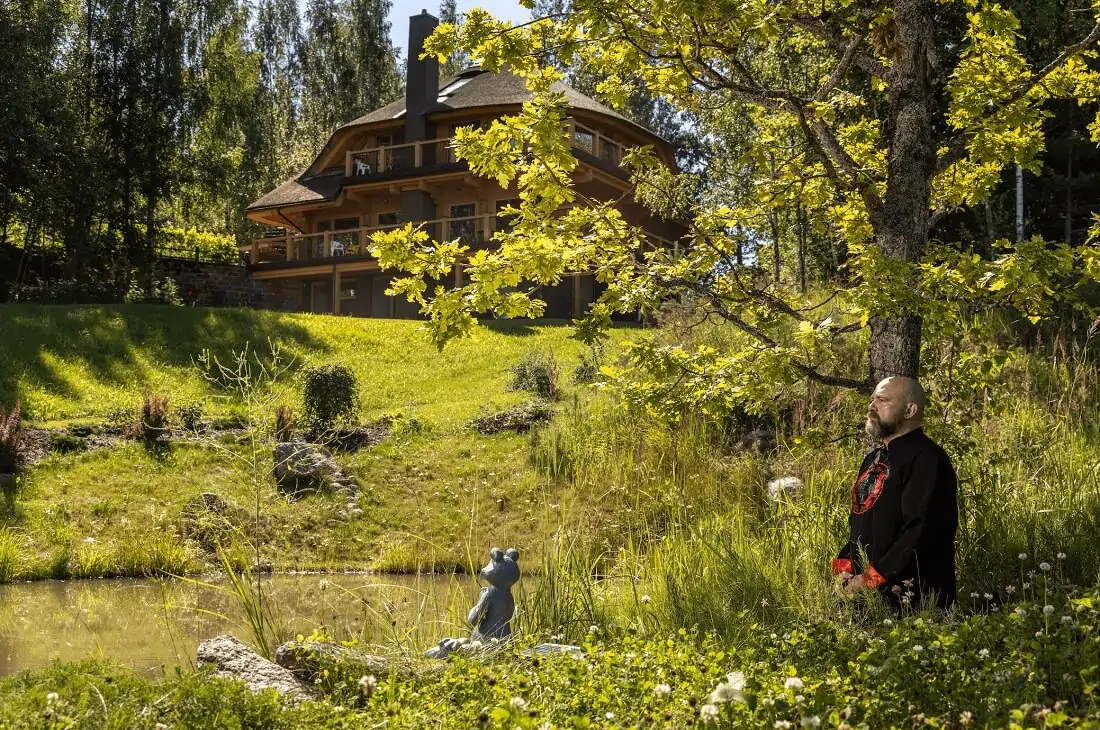
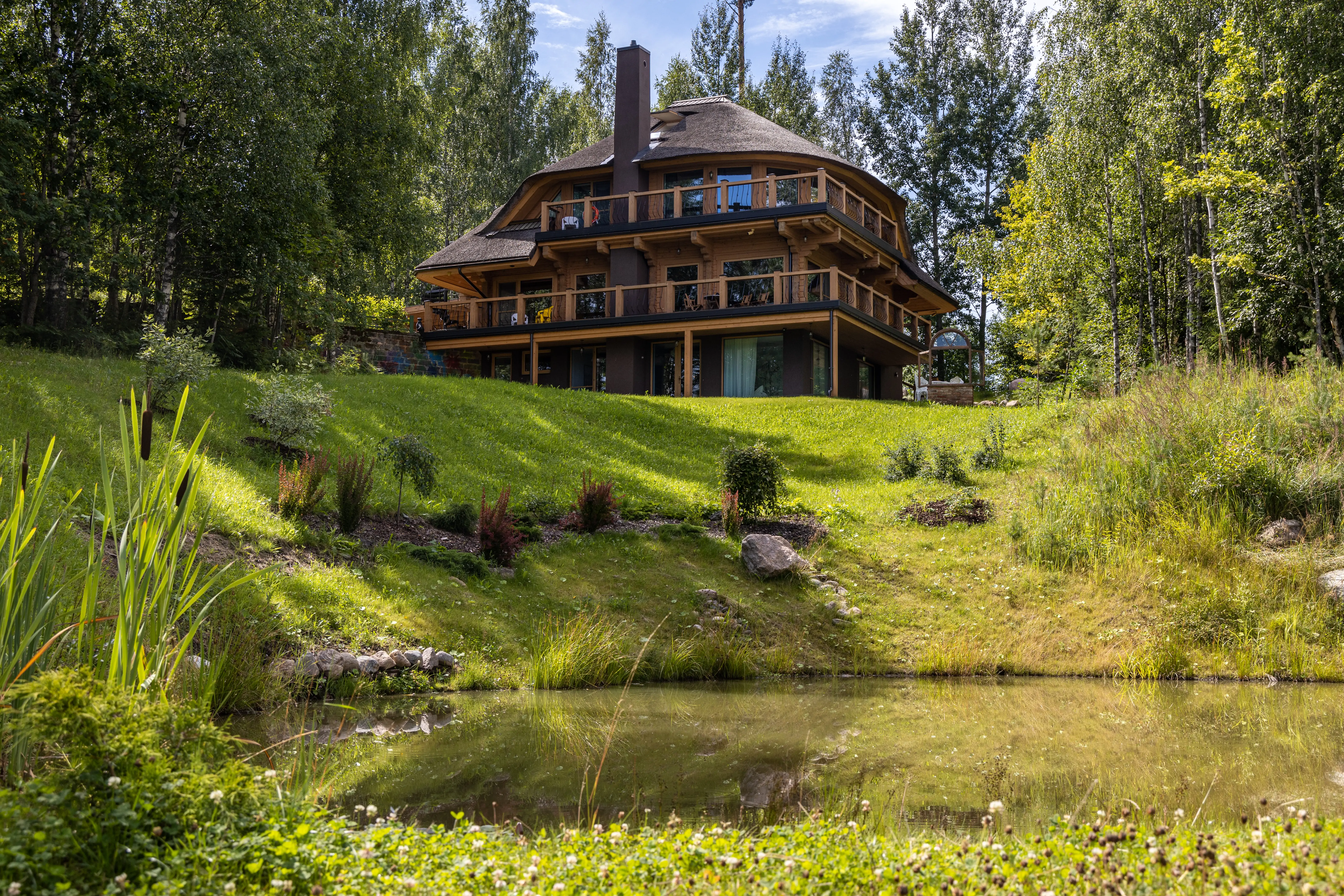
At Narbuli Retreat House in Latvia you can spend several days in silence on your own or with the support of our resident coach. The house stands above a lake in a forest village, around 50 minutes from Riga Airport.
The term “vipassana silent meditation retreat” covers two different formats. The first is the traditional ten-day course, which follows a fixed structure and is taught free of charge. The second is a wide range of shorter, paid silent retreats that use the name without following the original technique. Which one you book determines what the days will look like.

In its original sense, vipassana is a specific technique, not any period of silence
What a Vipassana Silent Meditation Retreat Is
Vipassana means “to see things as they are”. It is one of the oldest forms of Buddhist meditation; its best-known modern form is taught by S.N. Goenka in the lineage of Sayagyi U Ba Khin. The technique has two stages. In anapana, you observe the natural breath to steady your attention. In vipassana itself, you scan the body systematically and observe physical sensations, pleasant or unpleasant, without reacting to them. The goal is not relaxation but training the mind to observe experience without craving or aversion, a quality traditionally called equanimity.
Over time the word has moved away from this meaning. In the wellness industry, “vipassana silent meditation retreat” is often used for almost any retreat built around silence and inward attention, whether or not it follows the technique. Both uses are common, but they describe different experiences, so check which one a retreat offers before you book.
What the Research Shows
Vipassana has a larger evidence base than most meditation styles on the market, although the research has clear limits.
- Moderate, growing evidence. A 2025 systematic review of studies published between 2010 and 2025 found moderate evidence that vipassana practice reduces stress, anxiety and the burden of migraine, and improves mindfulness and several physical health markers. The strongest effects were seen in intensive retreat formats rather than occasional practice.
- Changes in the brain. Neuroimaging studies link regular practice to higher grey matter density in areas involved in sustained attention, body awareness and emotional processing, and to lower reactivity in the amygdala, the brain’s threat-detection centre.
- Lower cortisol and a calmer nervous system. Regular practice is associated with lower cortisol levels and improved heart rate variability, a marker of a balanced nervous system.
- Results beyond wellness guests. A long-running vipassana programme in a large Indian prison recorded notable reductions in anxiety and depression among participants who had not chosen meditation for themselves. This suggests the effect is not only due to a comfortable retreat setting.
- Limitations. The authors of the 2025 review point out that many of the included studies had small samples and call for more rigorous trials. The evidence is promising but still developing, and vipassana is not a cure-all.
The most consistent findings are lower reactivity, better emotional regulation and calmer physiology. People also report these effects after shorter, well-structured periods of silence, not only after the full ten-day course.
Noble Silence and a Typical Practice Day
For most people, the hardest part of a silent retreat is not the meditation but the absence of conversation, distractions and the small social habits that normally structure the day. First-timers usually find the first two or three days the most difficult; after that, the mind settles and the rest of the retreat feels different.
The traditional ten-day course has a strict timetable: the day starts at around 4am and includes up to ten hours of seated meditation. Participants keep full noble silence from the evening of the first day until the last morning: no talking, gestures or eye contact, no reading, writing or phones, and no exercise other than walking. Instruction comes from recorded discourses, and a teacher is available for short questions each day.
A well-structured silent retreat of any length has a few features in common: a clearly defined period of silence, a realistic amount of time for seated practice rather than other activities, and a private, quiet place to stay between sessions. Shorter retreats that put comfort and socialising first are a legitimate format, but they are not what vipassana originally describes.
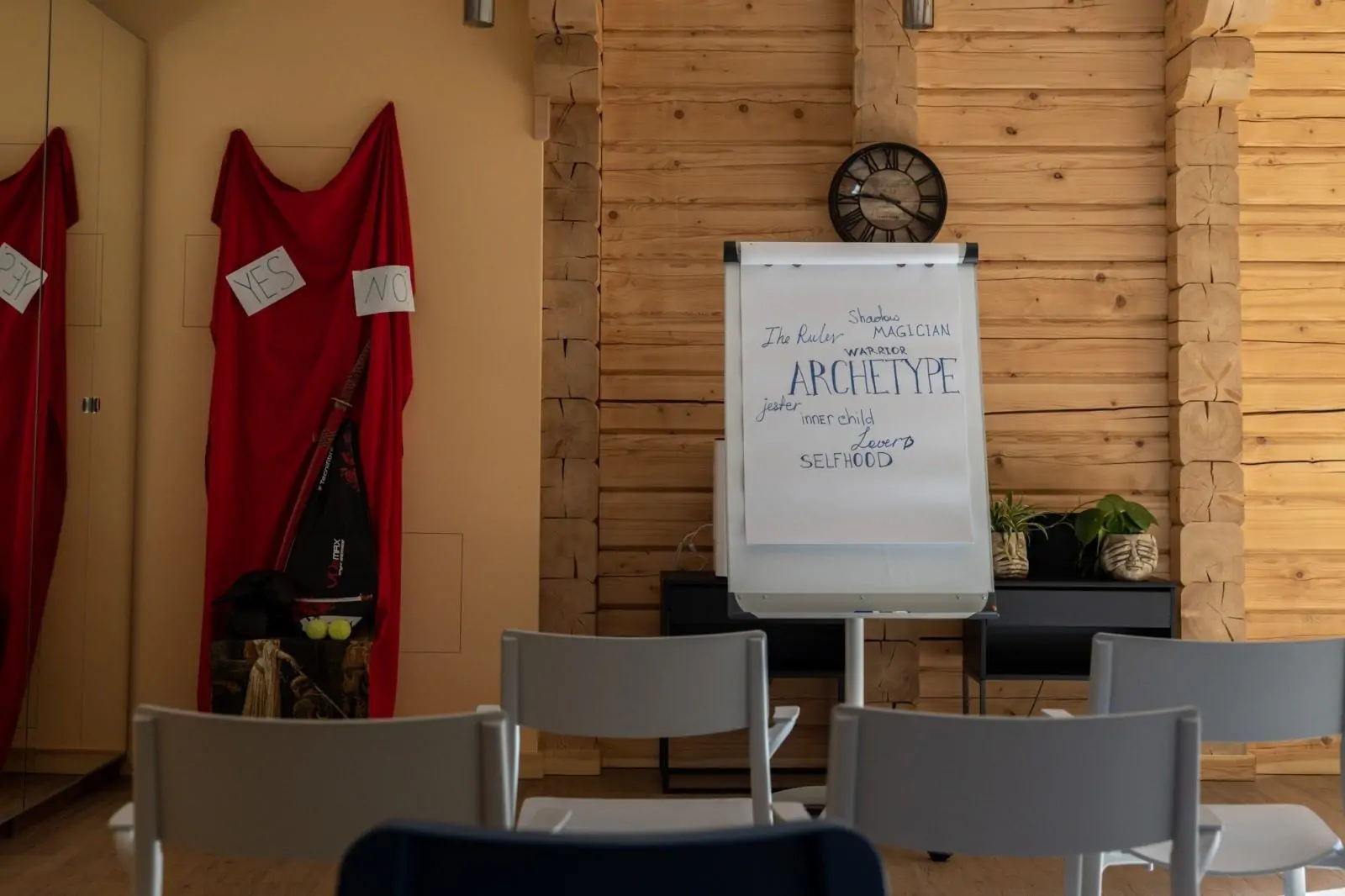
Silence creates the space; the work is with what comes up in it
Traditional Course vs Self-Directed Silent Retreat
Both formats are valid and suit different needs. The main practical differences:
| Traditional Goenka (Dhamma) course | Self-directed or coach-supported retreat | |
|---|---|---|
| Cost | Free; donations accepted after completion | Paid; depends on venue and length |
| Duration | Fixed, 10 days | Flexible, usually 3 to 7 days |
| Technique | Strict Goenka method, taught through recorded discourses | Silent practice inspired by vipassana, adapted to your pace |
| Silence | Full noble silence under a code of discipline | As much silence as you plan into your schedule |
| Setting | Purpose-built centre with simple, monastic conditions | A private, exclusive-use retreat house |
| Best suited to | People ready for a structured first experience of the original technique | People who want a period of silence and inward attention with a flexible schedule |
How to Choose: A Checklist
Whichever format you are considering, these questions help you judge whether it will work:
- How silence is kept. Ask how the silent periods are organised and how much of the day they cover. A “quiet atmosphere” is not the same as a defined period of silence.
- The daily schedule. Find out how much of the day is seated meditation and how much is other activities. This varies widely between retreats.
- Exclusive use and seclusion. Sharing a venue with other guests makes deep practice harder. Ask whether the whole property is yours for the stay.
- Facilitator or coach. If support is included, ask about the facilitator’s training and approach. Structure and short check-ins can support a silent retreat without breaking the silence.
- Aftercare and integration. Returning to everyday life after days of silence takes some planning. Ask what support is available once the silent period ends.
Our retreat house guide covers the general criteria for choosing a venue, and our comparison of the best places to host a yoga retreat looks at the same questions for group venues. If you are more interested in a general solo reset than in vipassana-style practice, see our guide to solo wellness retreats in Europe.
A Silent Retreat at Narbuli: Alone or with a Coach
Narbuli Retreat House stands on a forested hillside above a lake. Each of its nine rooms has its own character. The house is booked on an exclusive-use basis, so there are no other guests and no shared schedule.
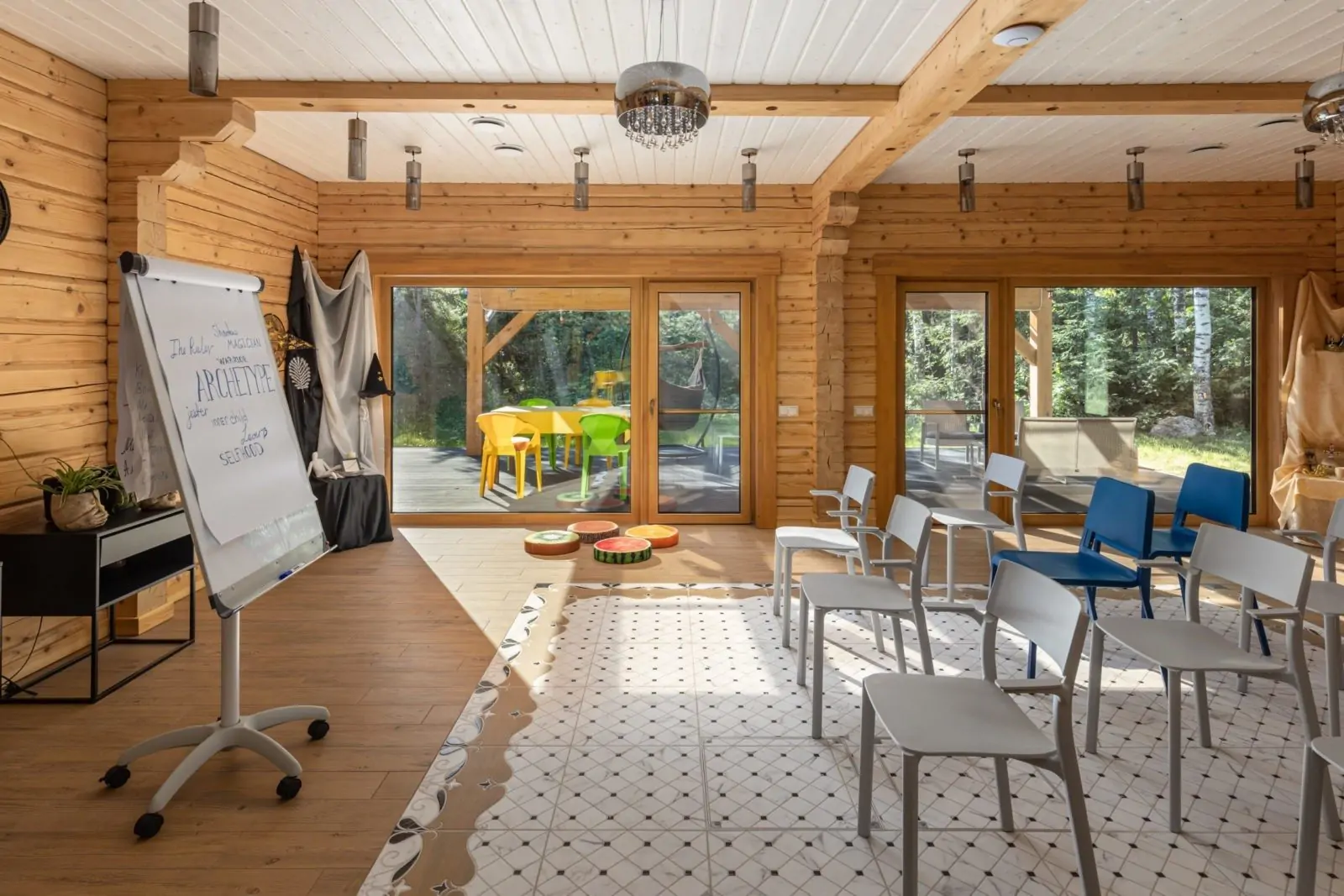
One of the nine individually designed rooms at Narbuli
You can plan a silent, vipassana-inspired retreat on your own: set your own meditation schedule, decide how long to keep silence and include walks in the forest as part of the practice. If you prefer not to plan it alone, our resident coach can help you put together a programme that suits your current situation.
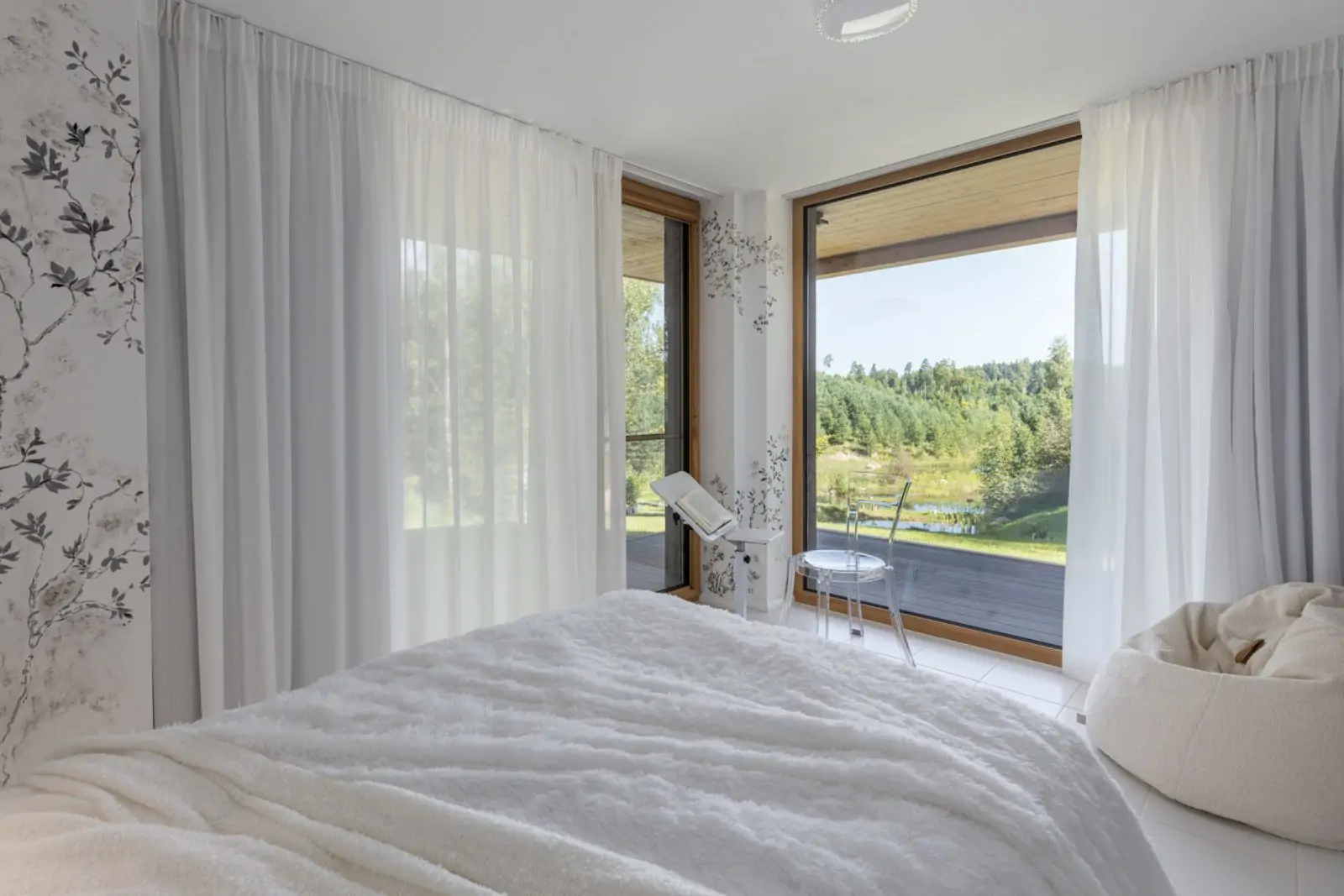
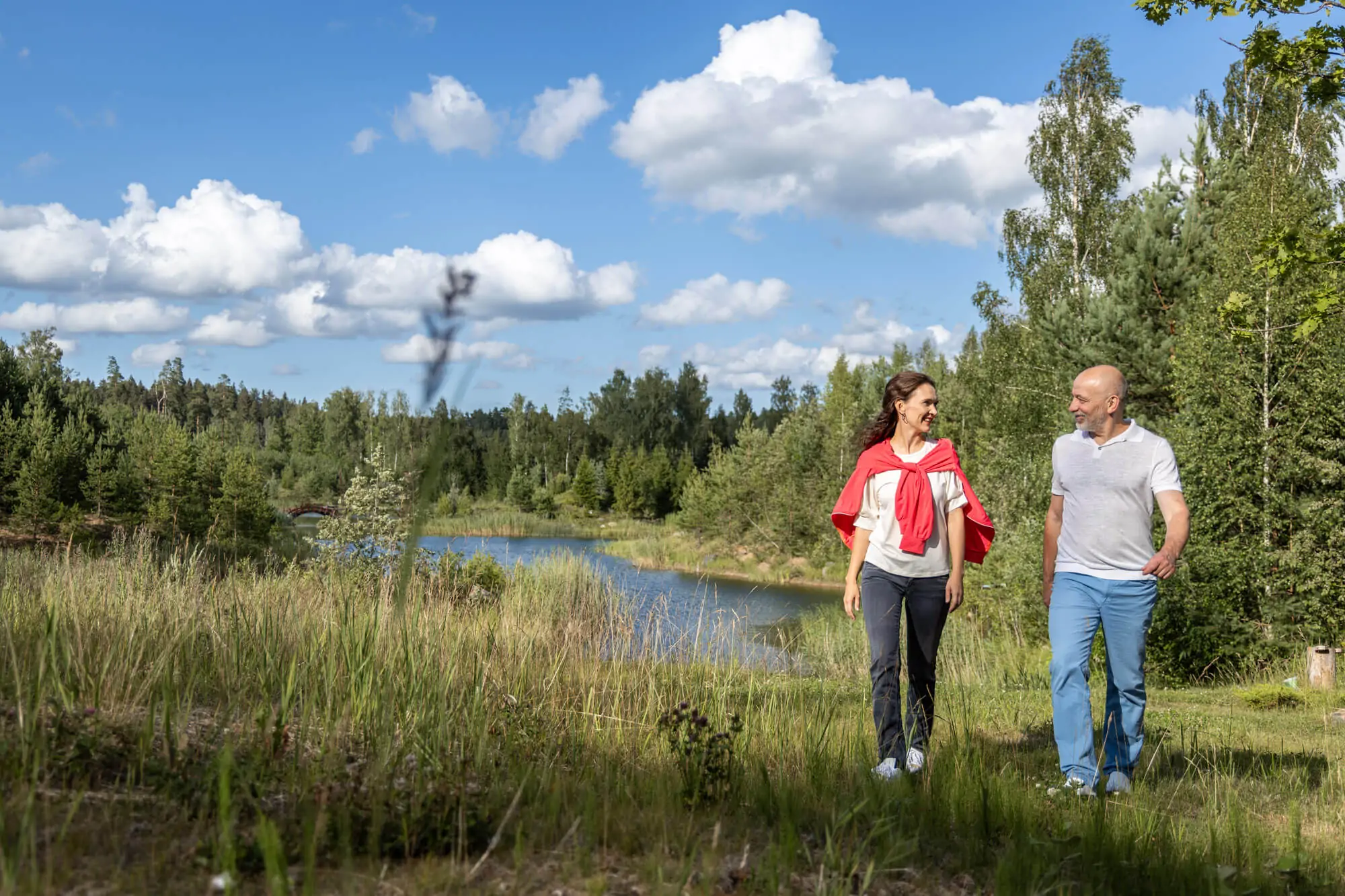
Forest and lake within walking distance of the house
Facilitators who want to run their own silent retreat for a group will find the organisational side covered in our guide on how to host a retreat. Details on booking the whole house are on the host a retreat page, and current rates are on our retreat cost page.
In a Dhamma hall, silence is kept through discipline. At Narbuli, it comes from the setting: no traffic, no other guests and enough solitude for the mind to settle.
Frequently Asked Questions
Conclusion
A vipassana silent meditation retreat can mean either the traditional free ten-day course in the Goenka lineage or one of the shorter paid silent retreats that use the same name. Both are valid choices, but they lead to different experiences.
For either format, check three things: how silence is kept, who provides the structure or guidance, and which of the two formats you are booking.
Plan a solo retreat at Narbuli and build a silent practice at your own pace, with or without the support of our resident coach. Tell us your dates, and we will suggest a room and a format.
What we offer