The Best Solo Wellness Retreats in Europe for Singles: A Complete Guide
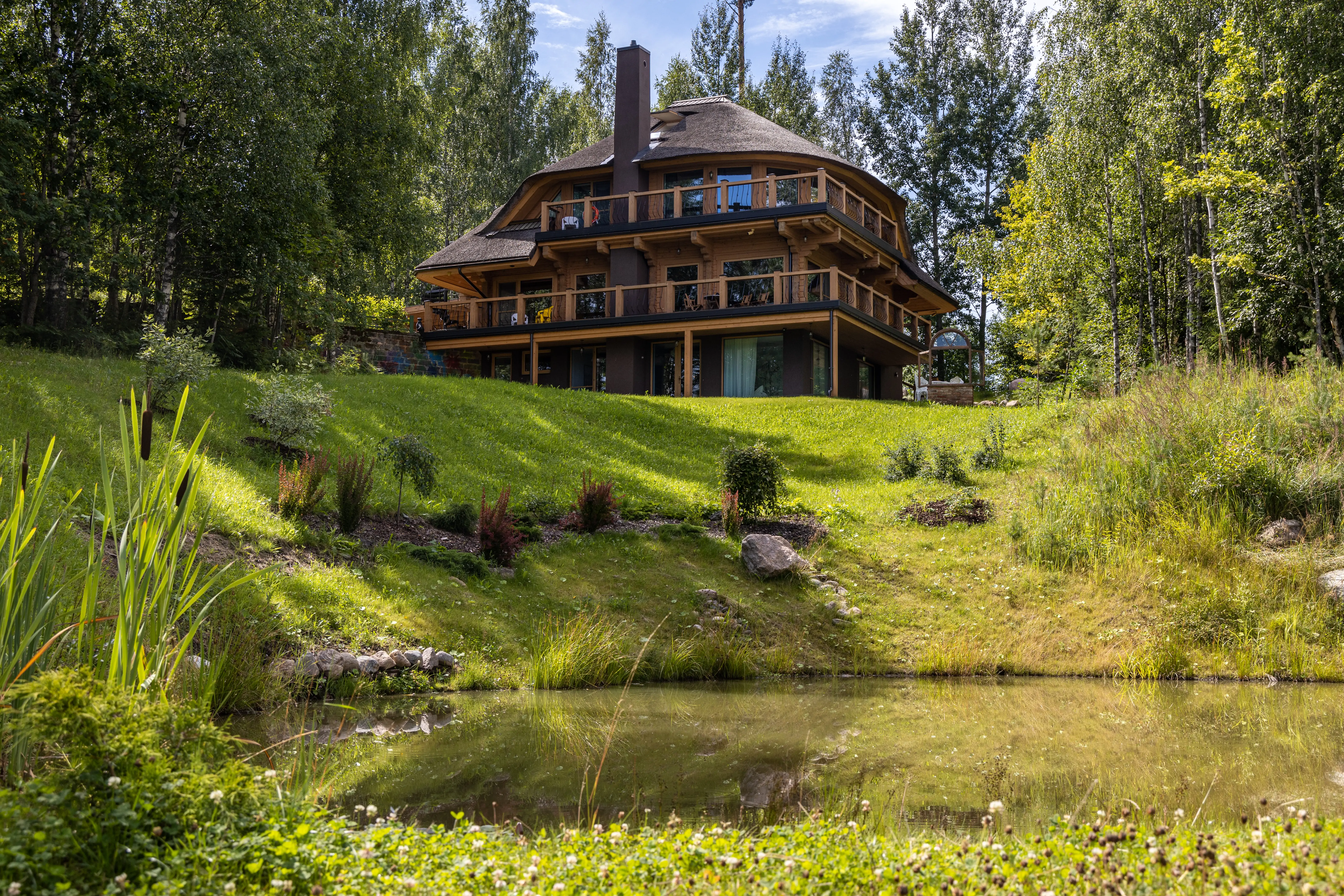
Narbuli Retreat House stands above a lake in a Latvian forest village, around 50 minutes from Riga Airport. Self-guided solo retreats run from 3 to 14 nights. Tell us what you need, and we will help you choose a format.
- Why solo retreats work in Europe
- Retreat types by goal
- Destinations
- The single supplement
- What to expect as a solo guest
- How much it costs
- How to book
- What to pack
- FAQ
- Checklist
Many people who want to go on a solo wellness retreat in Europe put off booking for two reasons. The first is the single supplement, an extra charge of several hundred pounds for staying in a double room alone. The second is the thought of eating dinner by yourself in a room full of couples.
In practice, the best wellness retreats in Europe are organised around guests who come on their own. Meals are served at shared tables, morning classes start with a group of strangers, and by the second or third day people know each other by name. At a well-run retreat, arriving alone is normal.

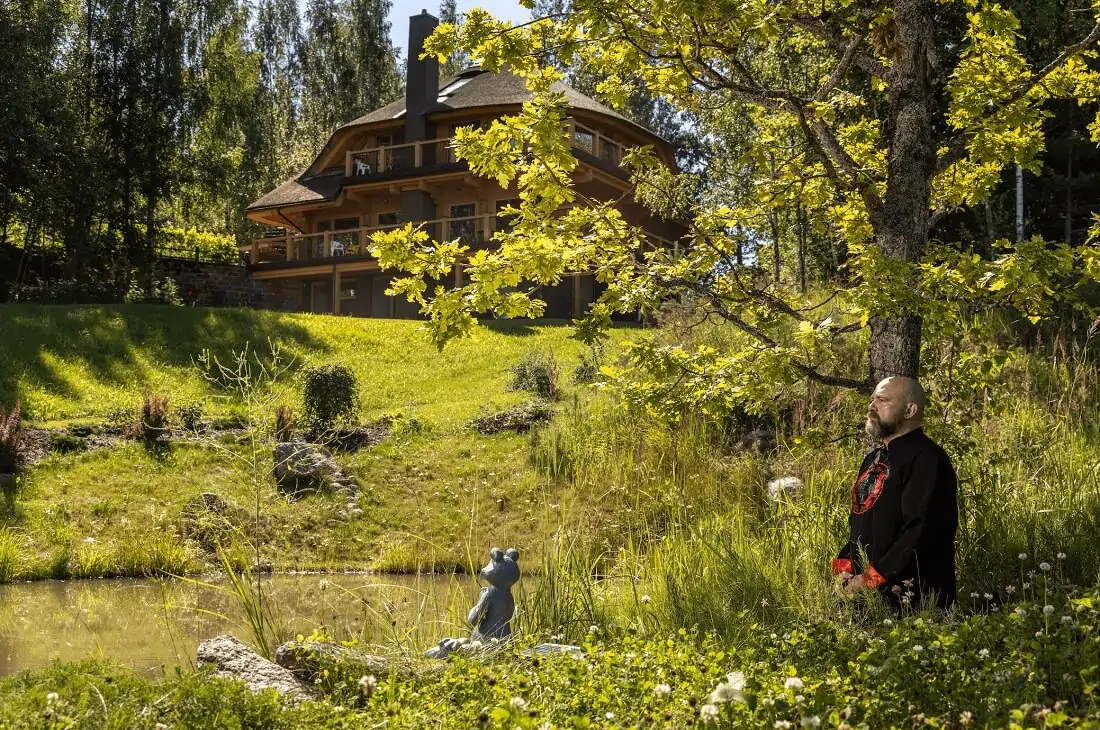
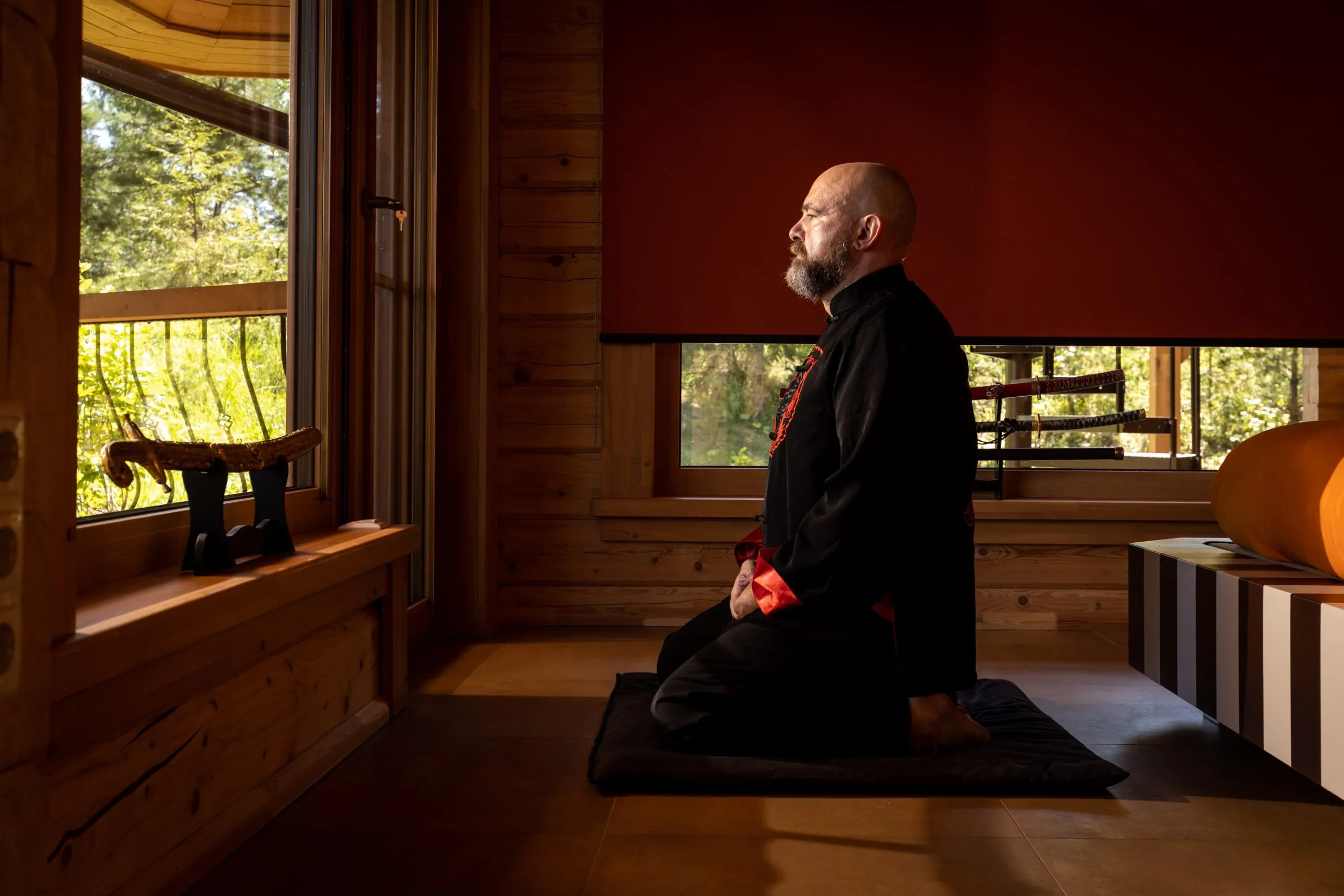
A quiet setting makes it easier to switch off from day one
Why Solo Wellness Retreats Work in Europe
A retreat programme takes care of the social side of the trip. In a hotel, a solo guest eats alone and plans each day from scratch. At a wellness retreat, the day starts with a 7am yoga class, continues with breakfast at a shared table and includes an afternoon workshop. By the evening you have spent several hours with the same people, so starting a conversation at dinner is easy.
At small yoga and holistic retreats, solo guests often make up the majority. The atmosphere is different from a resort hotel, where couples and families set the tone. Guests come for similar reasons: to rest, eat well, move more and think things through without everyday distractions.
For travellers from the UK, Europe has practical advantages. Flights to Spain, Portugal, Italy and Greece take under three hours. Retreats are available at every price level and in many formats. The climate allows travel all year: Tenerife in January, the Algarve in April, the Austrian Alps in July and the Peloponnese in October. With flights included, a week in Europe usually costs less than a comparable retreat in Asia or the US.
Choosing a Retreat Type by Goal
First-time guests often start by choosing a country. It works better to decide what you want from the week first, then choose the retreat format, and only then the destination.
| Your goal | Retreat type | What to look for | Example destinations | Budget (7 nights, GBP) |
|---|---|---|---|---|
| Burnout and stress recovery | Medical spa or detox retreat | Structured programme, limited phone use, medical consultation on arrival | Austria, Germany | £2,500–£6,000 |
| Emotional reset after a breakup or loss | Emotional healing or holistic retreat | Group workshops, access to a therapist, journalling sessions | Greece (Peloponnese), Ibiza | £2,000–£5,000 |
| Fitness kick-start or weight loss | Fitness or bootcamp retreat | Daily training, personal trainer, nutrition coaching | Spain (Alicante), Tenerife | £1,800–£4,500 |
| Inner work on your own | Archetypal or self-guided retreat | Structured solitude, psychological framework, individual coaching | Latvia (Amatciems) | £600–£2,000 |
| Deeper yoga or meditation practice | Yoga or mindfulness retreat | Yoga twice a day, meditation, optional workshops | Portugal (Algarve), Italy (Tuscany) | £800–£2,500 |
| Digital detox and slowing down | Countryside or forest retreat | Wi-Fi-free zones, nature walks, spa, few obligations | South Tyrol, Austrian Alps, Latvia | £1,500–£4,000 |
| First wellness trip | Boutique spa hotel with classes | Flexible schedule, pool and spa, no pressure to join in | Mallorca, Algarve, Sardinia | £700–£2,000 |
Swipe the table sideways to see all columns →
Medical retreats are a separate category. Programmes in Austria and Spain include a medical assessment, blood tests, an individual treatment plan and a therapeutic diet. Solo guests often find them easy to settle into because the day is fully scheduled and there is little unstructured time.

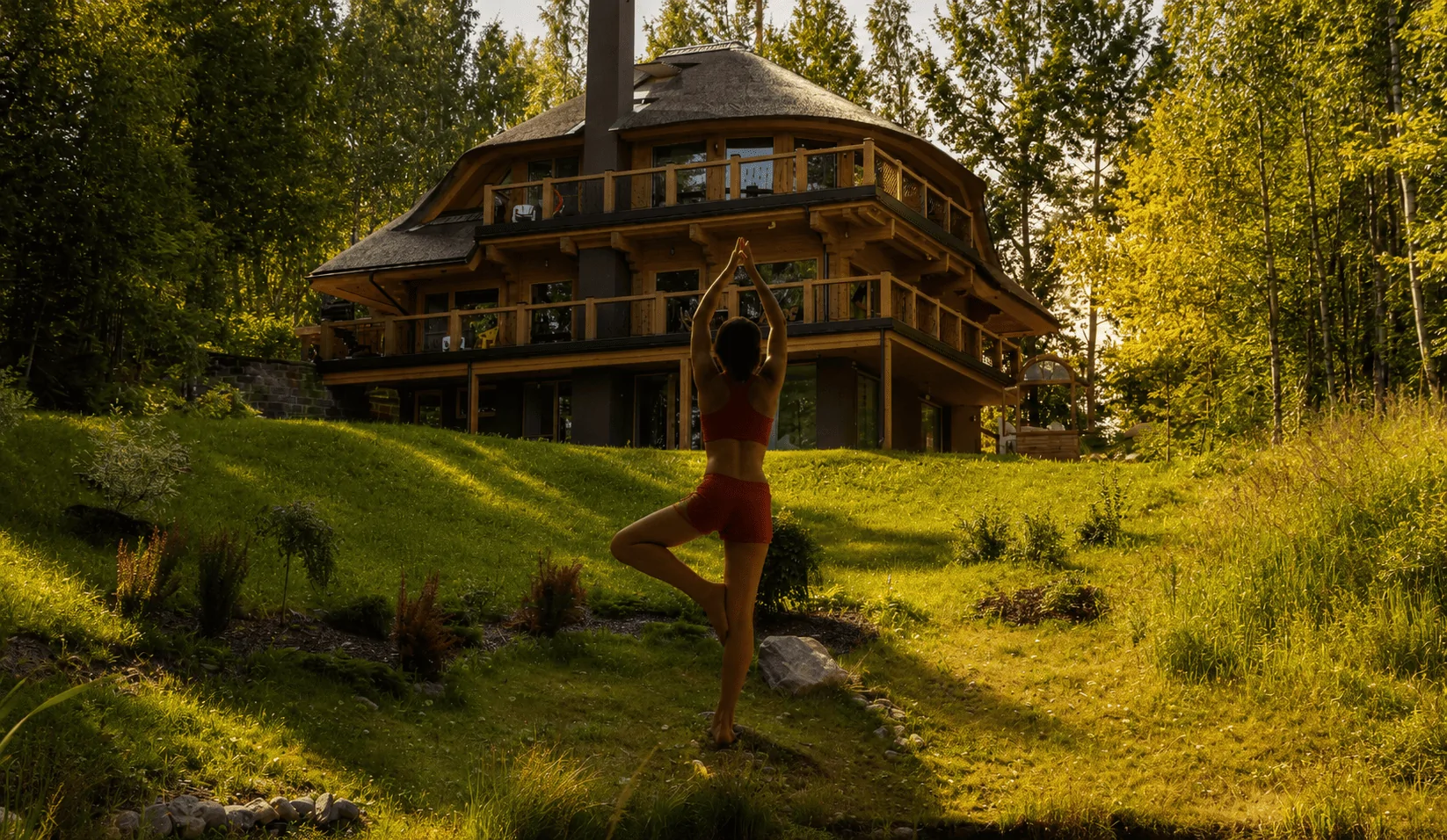
Morning practice is the fixed point of the day at most retreats
Best European Destinations for Solo Wellness Retreats
Climate, retreat culture, price level and the choice of programmes differ considerably from country to country.
Latvia: Solitude and Self-Guided Retreats
Narbuli Retreat House, Amatciems: forest, silence and a lake below the hill
Narbuli Retreat House
An eco house with a thatched roof above a lake in the forest village of Amatciems. Nine rooms, each designed around a Jungian archetype. A conversation before arrival helps choose the room that fits what you want to work on.
Self-guided format, 3 to 14 nights. No more than one other guest in the house. No single supplement: €180–330 per night.
Latvia rarely appears in lists of European wellness destinations. Most of the countryside is forest and lakes, with birch woods, still water and clean air. Riga is about two and a half hours from London by direct flight.
Narbuli offers a self-guided format: time alone with a structure, instead of a group programme. Each of the nine rooms reflects one archetype, such as the Warrior, the Magician, the Shadow or the Lover. Before arrival, a 30–50 minute conversation helps match you to the room that suits what you are bringing to the retreat. Guests who want more support can book daily video sessions with a coach.
Best season: May to September for lake swimming and walks; October for quiet autumn stays in the forest. Price level: mid-range. Suits: inner work on your own, digital detox, a Jungian or psychological approach, and travellers who find group dynamics tiring.
Spain: The Largest Choice of Retreats
Spain has the largest and most varied retreat market in Europe. Alicante is known for medical wellness clinics with internationally accredited programmes that cost roughly £4,000 to £8,000 a week. Around Málaga there are small boutique retreats with 15 to 20 rooms, where groups are small and solo guests settle in quickly.
Best season: March to May and September to November. Price level: mid-range to premium. Suits: detox retreats, medical spas, fitness programmes.
Portugal: Good Value for a Mid-Range Budget
Portugal is a popular choice for travellers with a mid-range budget. The Algarve and Alentejo have many small boutique retreats for 10 to 25 guests. Several Algarve properties are known for solo-friendly programmes, with shared meals built into the schedule and a high proportion of guests travelling alone.
Best season: April to June. Price level: budget to mid-range. Suits: yoga retreats, holistic programmes, first-time guests on a budget.
Italy: Slow Wellness, Thermal Baths and Mountains
Italy specialises in a slower, more comfortable kind of wellness: thermal baths in Tuscany, mountain spa hotels in South Tyrol and walking programmes in the countryside. South Tyrol has a number of alpine retreats where the week has a clear structure but still leaves time to be alone.
Best season: May to June and September. Price level: mid-range to premium. Suits: spa and thermal wellness, digital detox, guests who have been on retreats before.
Greece: Holistic and Emotional Healing Programmes
The Peloponnese has several high-end holistic retreats with shared dining, a consistent wellness philosophy and many solo guests. A week at the premium end costs around £2,500 to £5,000. The islands have smaller yoga and meditation retreats for £800 to £2,000.
Best season: May to June and September to October. Price level: mid-range to premium. Suits: emotional healing, holistic and Ayurvedic programmes.
Austria: Medical Wellness All Year
Austria is the choice for a medical reset rather than a relaxing week. Around Lake Wörthersee and in the surrounding Alps, clinics run Mayr Cure programmes that combine diagnostics, gut health protocols, a therapeutic diet and daily treatments. The schedule is tight, which suits solo guests: there is little free time to fill.
Best season: all year. Price level: premium, £4,000 to £10,000+ for 7 to 10 nights. Suits: burnout recovery, gut health, medical wellness.
Destinations at a Glance
| Destination | Retreat type | Best season | Price level | Suits |
|---|---|---|---|---|
| Latvia | Self-guided retreats, digital detox | May–Oct | Mid-range | Introverts, inner work, Jungian approach |
| Spain | Detox, medical spa, fitness | Mar–May, Sep–Nov | Mid-range–premium | Structured programmes, warm weather |
| Portugal | Yoga, holistic, first-timers | Apr–Jun | Budget–mid-range | Value, small boutique retreats |
| Italy | Spa, digital detox, slow wellness | May–Jun, Sep | Mid-range–premium | Experienced guests, scenery, space |
| Greece | Holistic, emotional healing | May–Jun, Sep–Oct | Mid-range–premium | Healing programmes, Ayurveda |
| Austria | Medical spa, Mayr Cure | All year | Premium | Burnout, gut health, a fixed schedule |
Swipe the table sideways to see all columns →

Shared meals are where most guests get to know each other
The Single Supplement and How to Avoid It
A single supplement is an extra charge, usually 20 to 60 per cent of the per-person rate, for staying alone in a room designed for two. With a 30 per cent supplement, a retreat priced at £1,800 per person per week costs a solo guest £2,340.
Ways to pay less:
- Choose retreats with no single supplement. Some small boutique properties in Portugal, Greece and Latvia charge a fixed rate per person, whatever the room occupancy. Narbuli Retreat House in Latvia charges per night and does not add a supplement.
- Ask before booking. An email asking whether the supplement can be waived for your dates often gets a positive answer, especially in shoulder season.
- Book through a specialist agency. Healing Holidays and Wellness Holiday Boutique have agreements with some retreats.
- Look at retreats for 15 to 25 guests. At this size, many properties include single occupancy in the standard rate.
- Travel in shoulder season. In April, May and October retreats are more flexible on price.
- Look for dedicated single rooms. Some properties have rooms designed for one guest.
If the supplement terms are unclear, ask for the solo rate in writing. Retreats that welcome solo guests state the single rate openly and say whether it can be adjusted.
What to Expect as a Solo Guest
Will I feel lonely? Rarely, if the retreat is well organised. Morning classes, shared meals and workshops bring guests together, and most of them arrived alone as well. By the second day you will usually recognise everyone at the table.
Is it awkward to eat alone? Solo-friendly retreats seat guests at shared tables, so you join whoever is there. Retreats in the Peloponnese and the Algarve are known for this.
Will I be the only person on my own? Unlikely. On many structured programmes, half or more of the guests travel alone.
What if I want to be alone? Group activities are usually optional. You can skip a session without explaining why, and the spa, garden, pool and your room are always available.
Is it safe for women travelling alone? Wellness retreats are one of the safest options for solo female travel. Guest numbers are small and known in advance, staff are on site throughout the day, and alcohol is limited or not served. At most yoga and holistic retreats, women make up the majority of guests.
A Typical Day at a Wellness Retreat
How Much Does a Solo Wellness Retreat in Europe Cost?
Approximate 2026 prices for one person, in GBP, by retreat tier:
| Retreat tier | Length | Usually included | Price per stay (GBP, solo) |
|---|---|---|---|
| Budget yoga retreat | 5–7 nights | Accommodation, meals, daily yoga or meditation, group activities | £500–£1,200 |
| Mid-range boutique retreat | 5–7 nights | Accommodation, all meals, programme, 1–2 treatments | £1,200–£2,500 |
| Premium wellness hotel | 5–7 nights | Luxury accommodation, full board, individual programme, daily treatments | £2,500–£5,000 |
| Medical spa (Austria, Spain) | 7–10 nights | Medical assessment, individual programme, treatments, all meals | £4,000–£10,000+ |
Swipe the table sideways to see all columns →
Season:coastal retreats add 15–30% in summer
Room type:a sea view instead of a garden view can add £400–£800 a week
Single supplement:adds 20–50% unless you choose a retreat without one
In October and November, occupancy in southern Europe falls and retreats compete for guests. A boutique retreat that charges £2,800 in May may cost around £2,100 in October, sometimes with the single supplement waived.
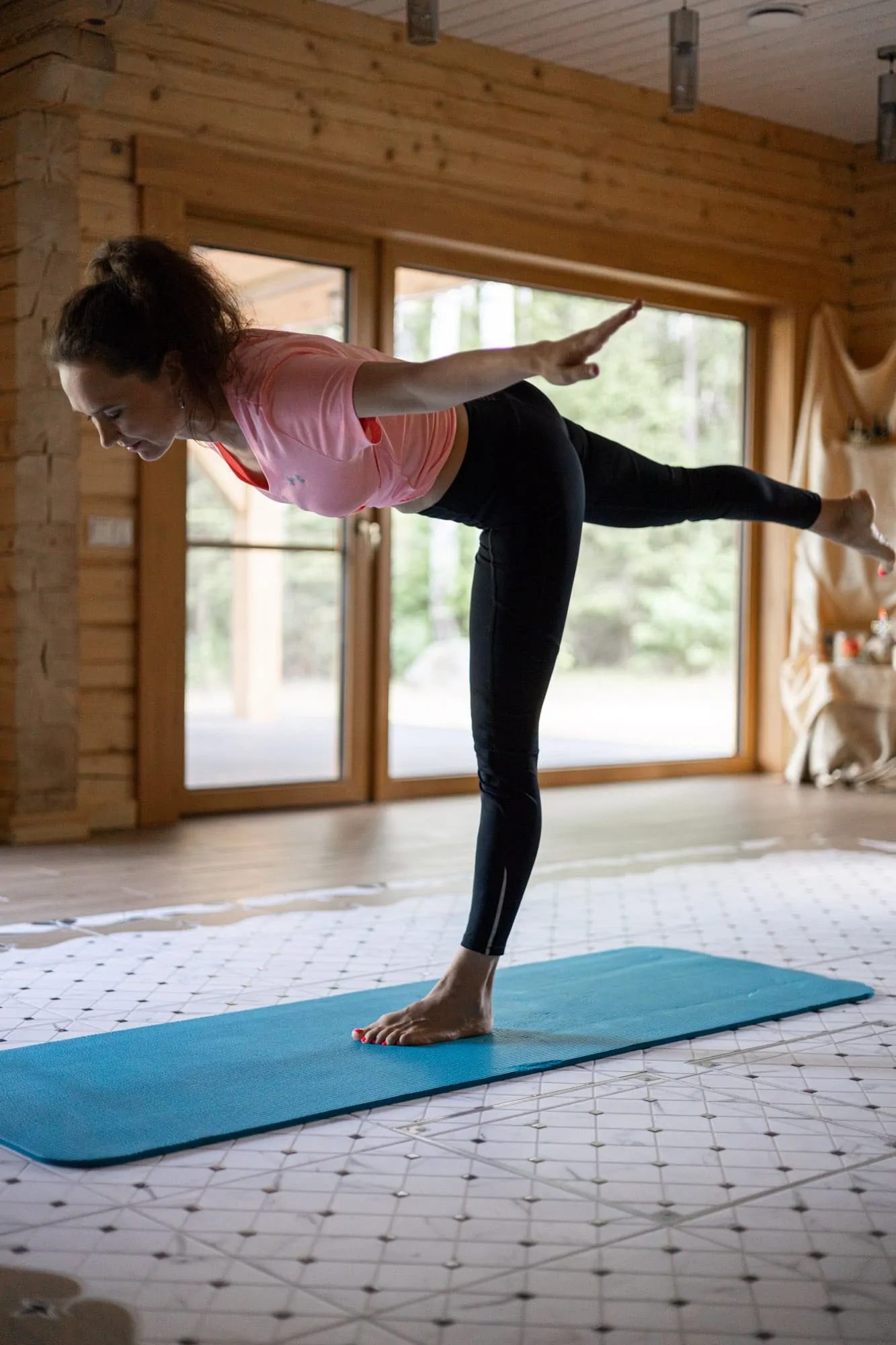
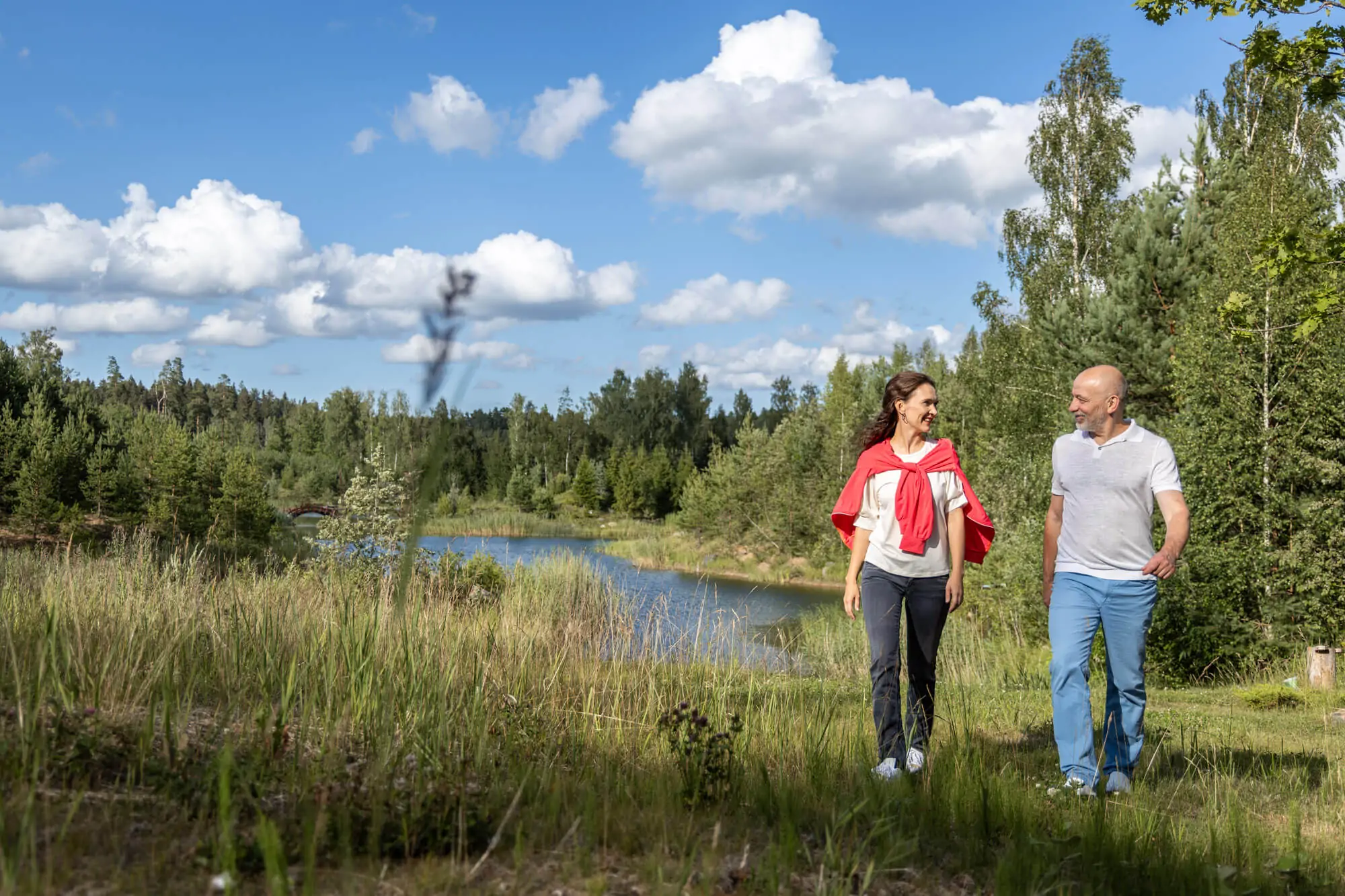
Nature walks and forest bathing are part of the programme at many European retreats
How to Book: Tips for First-Timers
Booking a retreat involves a few decisions that an ordinary hotel booking does not.
- Decide on your must-haves. A private room, dietary needs, accessibility, and whether you need Wi-Fi or are happy without it.
- Choose how to book. Booking directly usually gives a better price and direct contact with the team. Agencies such as Healing Holidays, Wellness Holiday Boutique or BookRetreats make comparison easier and often have better cancellation terms.
- Ask three questions before paying. Is there a single supplement, and can it be waived? What share of guests usually travel alone? Are meals served at shared tables?
- Read reviews from solo travellers. Look for reviewers who mention arriving alone and give their comments more weight than the overall rating.
- Book 8 to 12 weeks ahead for popular retreats in Spain and Portugal from March to June and in September and October. Small retreats for 15 to 25 guests fill up on this timeline.
What to Pack for a Solo Wellness Retreat
Most retreats provide robes, slippers, towels and yoga mats. Bring the following:
- Two or three sets of yoga or sportswear. Many retreats hold morning and evening sessions, and clothes stay damp in warm weather.
- A notebook and pen. Most retreats include some form of reflective writing.
- Warm layers for the evenings. Spring and autumn evenings can be cool even in Spain and Portugal. A light merino cardigan works well.
- A plan for your phone. Many retreats have phone-free areas. Decide before you arrive how reachable you want to be.
- A written health summary. Medical retreats ask about your medical history, current medication and any conditions on arrival.
- A book unrelated to work. One or two titles that have nothing to do with productivity.
- Comfortable walking shoes. Most retreats include daily walks, so trail shoes or supportive trainers are more useful than sandals.
FAQ: Solo Wellness Retreats in Europe
Ready to Book? Your Solo Retreat Checklist
A solo wellness retreat in Europe combines rest with a clear daily structure, company when you want it and time alone when you need it. For most first-time guests, the worry about going alone fades during the first day.
Narbuli Retreat House offers solo stays in a forest house above a lake, with rooms designed around Jungian archetypes and no single supplement. Tell us what you are looking for, and we will suggest dates, a room and a format.

What we offer