Digital Detox: What It Really Means, Why It Works, and How to Find the Right Retreat (2026)
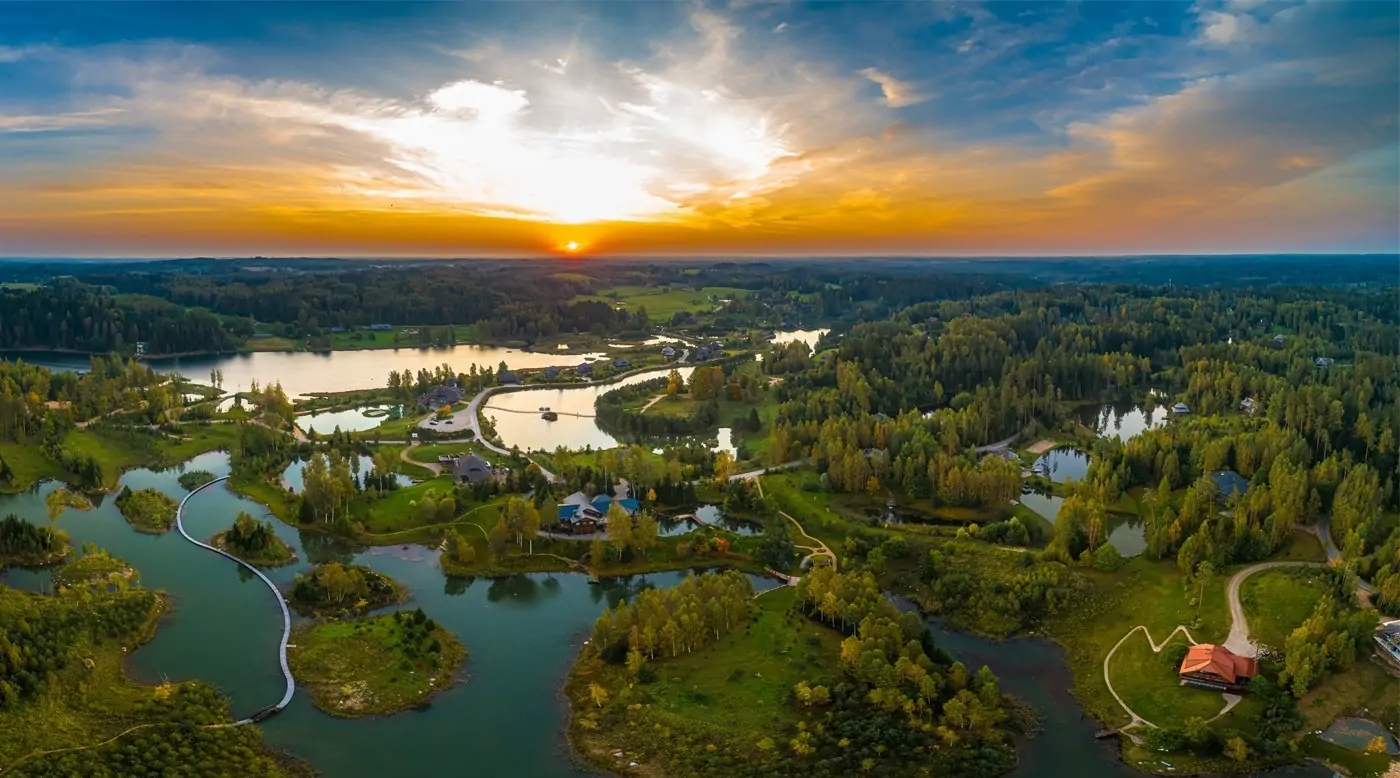
The Latvian forest at Narbuli — the kind of environment that makes presence easier than distraction
You reach for your phone before you’ve opened your eyes. It’s not a decision — it’s a reflex. By the time you’ve checked your notifications, the cortisol is already rising, the attention is already fragmented, and the day hasn’t technically started. If that description is accurate, you’re in good company: according to figures cited by Unplugged’s co-founder in Living360, the average UK adult now spends 11 hours a day on screens, and 50 per cent of the population checks their phone within five minutes of waking. This isn’t a complaint about modern life. It’s a description of a dependency with documented neurological consequences — and a digital detox retreat is one of the few interventions that addresses it at the level of environment rather than willpower.
This guide covers what a digital detox actually does to your brain, what formats work for different goals and budgets, the best UK venues, why European retreat houses — particularly in Latvia — are increasingly the more effective option for groups and serious detoxers, and exactly how to prepare.
- What Is a Digital Detox
- The Science — What It Does to Your Brain
- Digital Detox Formats Compared
- Digital Detox Retreats in the UK
- Digital Detox Retreats in Europe
- How to Prepare — Practical Guide
- What to Do During a Digital Detox
- FAQ
What Is a Digital Detox — and What It Actually Involves
A digital detox is the intentional, time-limited removal of digital devices — smartphones, laptops, social media, email — from daily life. The key word is intentional. A flight with no Wi-Fi is not a digital detox. A dead battery is not a digital detox. A proper digital detox involves a deliberate decision before it starts, a defined period, and an alternative way of spending time that isn’t simply waiting to reconnect.
The spectrum runs from partial — social media only, or no screens after 9pm — to total, meaning all devices, all screens, no exceptions. The science is most consistent at the 48–72-hour threshold. Below that, the physiological changes are modest. Above it — particularly at the five-to-seven-day residential retreat level — the effects on sleep, attention, and anxiety become both measurable and, with the right integration, durable.
The terminology has multiplied: phone detox, screen detox, tech-free retreat, off-grid retreat, unplug retreat, digital sabbath. They describe the same underlying intervention: creating conditions in which your nervous system is not constantly available to digital input. The delivery mechanism — a lockbox cabin in Surrey or an exclusive-use retreat house in a Latvian forest — shapes how effective that intervention is. Environment, as we will return to repeatedly, is everything.
What a Digital Detox Does to Your Brain — The Science
The evidence base for digital detox has matured considerably since it was first discussed as a wellness trend. It is now supported by over 200 peer-reviewed studies. Here are the specific numbers that matter, with their sources.
Sleep
Blue light from screens suppresses melatonin production by up to 70% in laboratory conditions (PubMed, 2019) and shifts the circadian rhythm by up to three hours — twice the disruption caused by green light of equivalent brightness (Harvard Health). Remove the screens, and melatonin normalises. Most people at residential retreats report sleeping nine to ten hours on the second night — not because they are exhausted, but because the neurological conditions for proper sleep have been restored.
Attention
Smartphone use has measurably shortened the average human attention span. A 48-hour digital detox has been shown to improve attention span and working memory by approximately 23% (SQ Magazine, 2026, citing behavioural addiction research). The mechanism: smartphones deliver variable-reward notifications that train the brain to expect constant interruption. Remove that stimulus for long enough, and the brain’s capacity for sustained focus begins to recover.
Anxiety and cortisol
A one-week social media detox reduced anxiety by 16.1%, depression symptoms by 24.8%, and insomnia by 14.5% in controlled studies (TechRT, 2026). The mechanism is threefold: social comparison driven by feeds reduces; notification-induced cortisol spikes stop; and the ambient anxiety of being permanently digitally available — what researchers call ‘technoference’ — disappears when there is nothing to be available on.
The Default Mode Network
When the brain is not focused on an external task, the Default Mode Network (DMN) activates — the neural circuit associated with creativity, self-reflection, imagination, and deep problem-solving. Smartphone use interrupts DMN activity almost constantly, because the device provides a substitute task whenever the mind approaches idleness. A residential digital detox provides the extended, uninterrupted quiet that allows the DMN to function. Many people report that their most significant thinking during a detox retreat happens not in sessions or workshops, but in the unstructured hours between them.
The threshold effect
Neurological changes are detectable after 72 hours. Lasting change in digital habits requires what researchers describe as an ‘activation energy’ — a long enough break that new patterns feel not just desirable but possible. A 48-hour phone-free cabin weekend matters more than a daily 30-minute screen break for the same reason that a week’s holiday matters more than a long lunch: the environment change has to be sustained long enough to break the automatic behaviour loop.
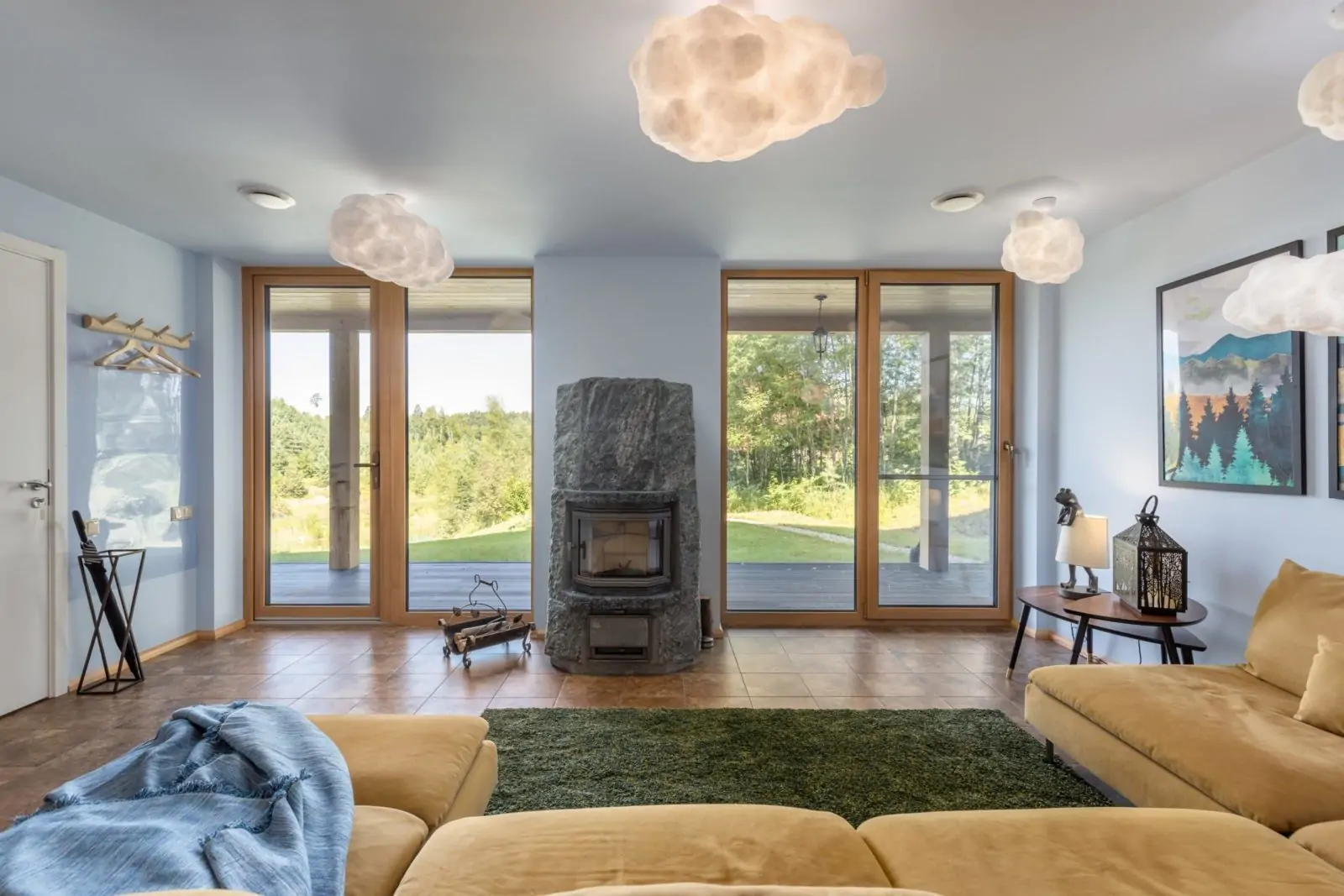
An environment designed to make presence easier than distraction — the living room at Narbuli
Digital Detox Formats — Choosing the Right Depth
One of the most useful things this article can do is lay out the formats clearly, with honest assessments of what each one actually delivers.
| Format | Duration | What changes | Best for | Limitation |
|---|---|---|---|---|
| Social media detox only | Days to weeks | Less comparison anxiety, reduced doomscrolling | First-timers, those with specific social media concerns | Work email, news, and other digital habits continue unchanged |
| Screen-free evenings | Daily practice | Improved sleep onset, better pre-bed cortisol levels | Building a sustainable daily habit | Environment unchanged — temptation and cues remain high |
| Digital detox weekend (non-residential) | 48 hours | Measurable attention improvement, lower cortisol | Beginners, couples, families with planning capacity | Home environment undermines effort; ‘just five minutes’ relapses are common |
| Residential digital detox cabin, UK | 2–3 nights | Full environment change, sleep improvement, phone physically removed | Solo travellers, couples wanting a genuine reset | Expensive per person; UK inventory is limited and books quickly; not suited for groups over two |
| Residential retreat abroad | 3–7 nights | Full neurological threshold crossed; attention, sleep, and anxiety measurably improved | Groups, those with chronic burnout, anyone wanting lasting change | Requires flights and more planning; more time away from work |
The science consistently shows that environment is the strongest predictor of detox success. A tech-free retreat in a forest is more effective than willpower at home — not because the forest guest is more disciplined, but because the environment removes the cue entirely. The most effective digital detox format is the most immersive one you can realistically access.
Digital Detox Retreats in Europe — The Case for Going Further
For UK travellers, the European digital detox retreat market offers something the UK market rarely does: exclusive-use, whole-property retreat houses in genuinely remote natural settings, within two to three hours of London by direct flight. At consistently lower cost than UK equivalents.
The case for Latvia
Latvia is 52% forest — one of the highest proportions in Europe. The Gauja National Park region and the eco-settlements surrounding it have a mature tradition of woodland retreat culture: a relationship between buildings and their landscape that goes considerably beyond a view from a bedroom window. Flights from London Heathrow, Gatwick, and Stansted to Riga run approximately 2 hours 20 minutes, with multiple daily services. Once you land, you are 50–90 minutes from retreat properties with no urban equivalent.
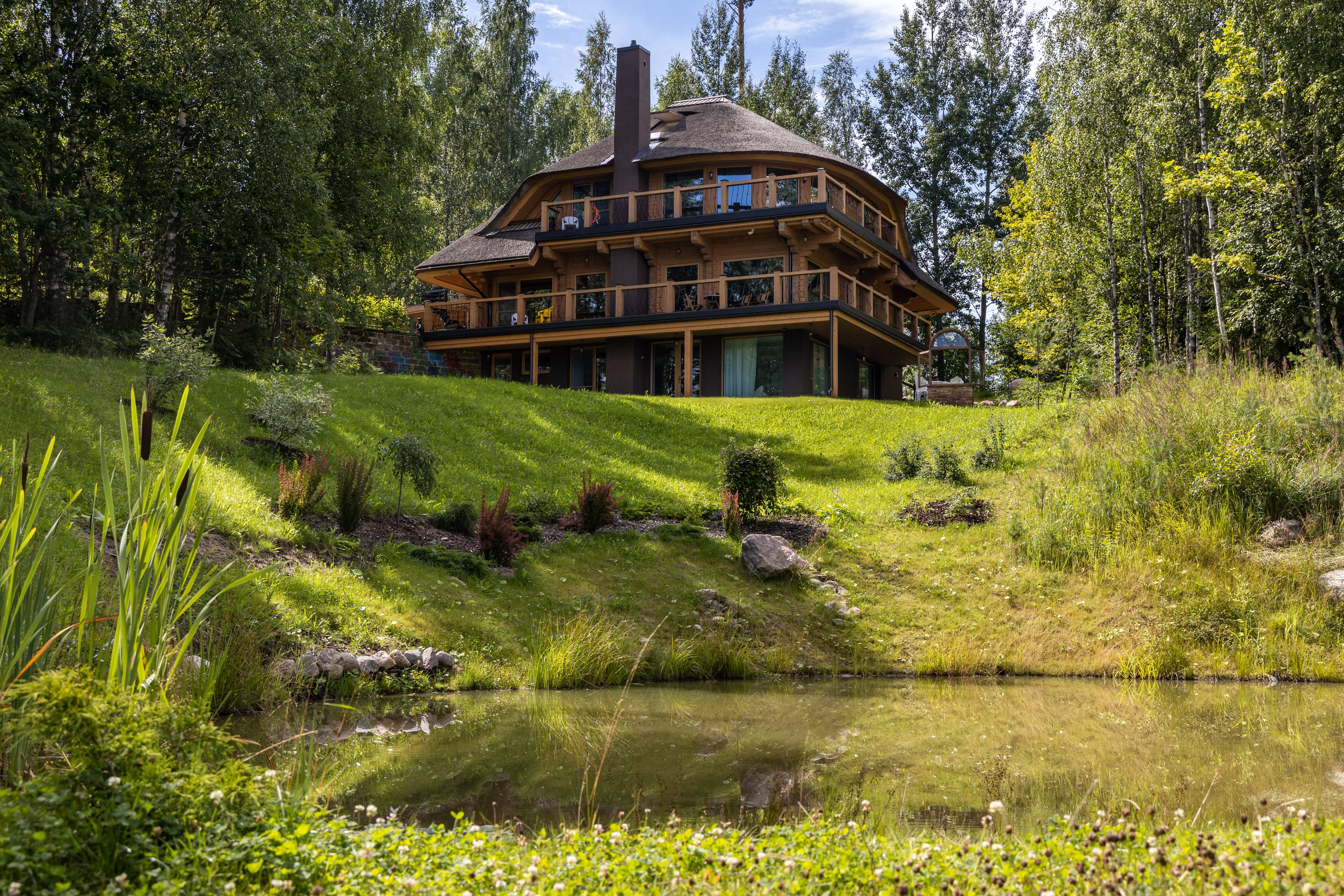
Narbuli Retreat House — forested hillside, Amatciems eco-settlement
Narbuli Retreat House, Latvia
Positioned on a forested hillside in the Amatciems eco-settlement. Operates as whole-property exclusive hire — your group has the entire house. Nine rooms, each reflecting a distinct psychological archetype. Up to 12 guests. Sauna, forest walks, shared meals.
No enforced phone ban — Narbuli is not primarily a digital detox brand. But the setting does what the best detox environments do: it makes presence easier than distraction. From London: 2h 20m to Riga, then approximately 50 minutes by car.
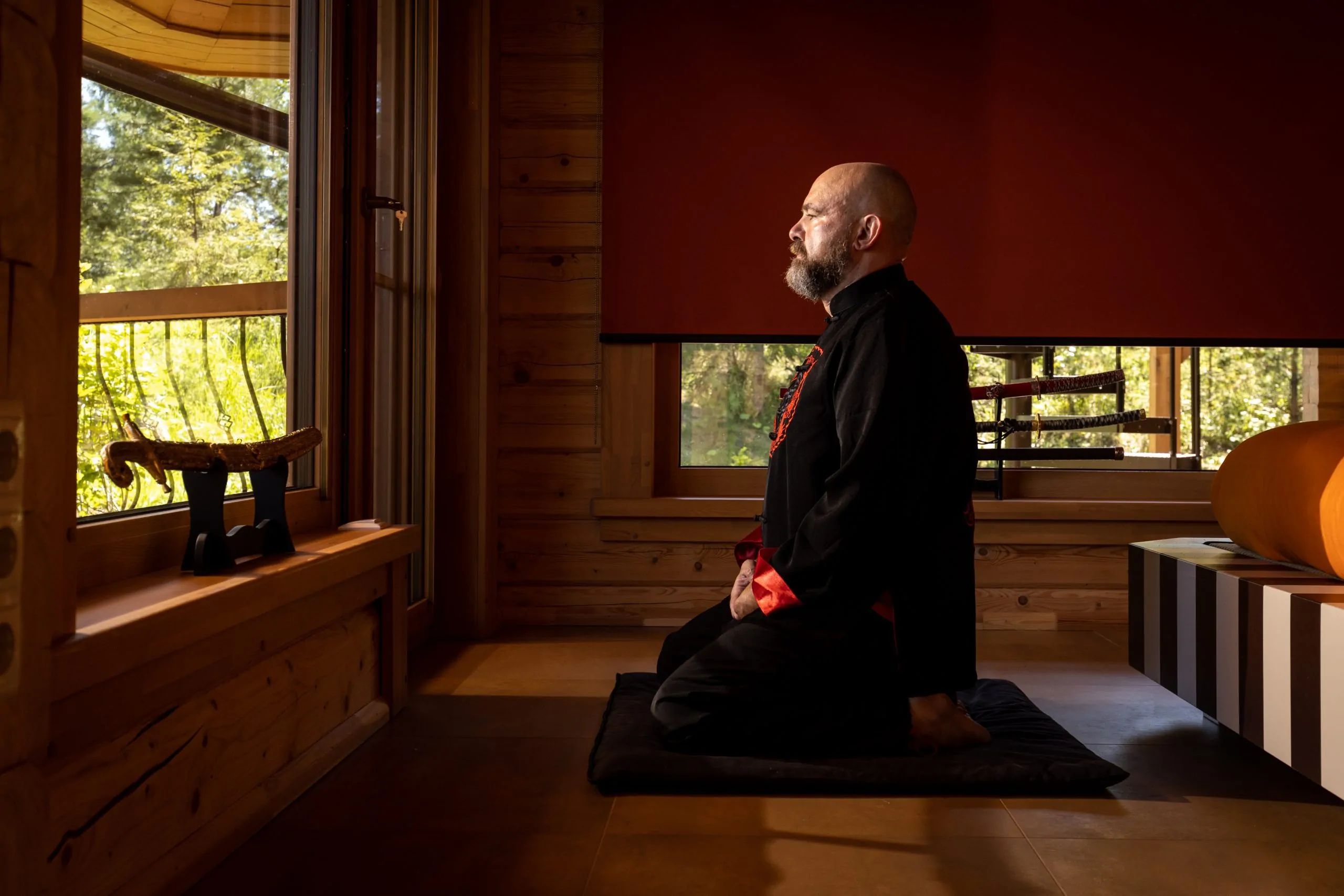
The archetype room framework at Narbuli — nine rooms each designed around a distinct Jungian psychological archetype — means the physical environment is built to support the kind of self-reflection that digital detox at its best enables. Forest walks, a sauna, an evening fire, shared meals prepared together: the activities that emerge naturally in this setting are exactly what the neurological research recommends as the most effective replacements for screen time. The whole-property hire format also means the detox environment is consistent — there are no other guests on their phones in the breakfast room.

The sauna at Narbuli — one of the specific activities that consistently replaces screen time on detox retreats
How to Prepare for a Digital Detox Retreat — Practical Guide
The preparation phase is where most first-time digital detox retreat guests underinvest. Done well, it reduces the discomfort of the first 24 hours and extends the effects of the retreat once you return. Done poorly, it means the first two days are spent unwinding logistics rather than actually detoxing.
What to Do During a Digital Detox Retreat
The most common anxiety for first-time digital detox retreat guests: what do I actually do without my phone? This is a real barrier to booking, so let’s address it directly with specific activities and the neurological rationale for each.
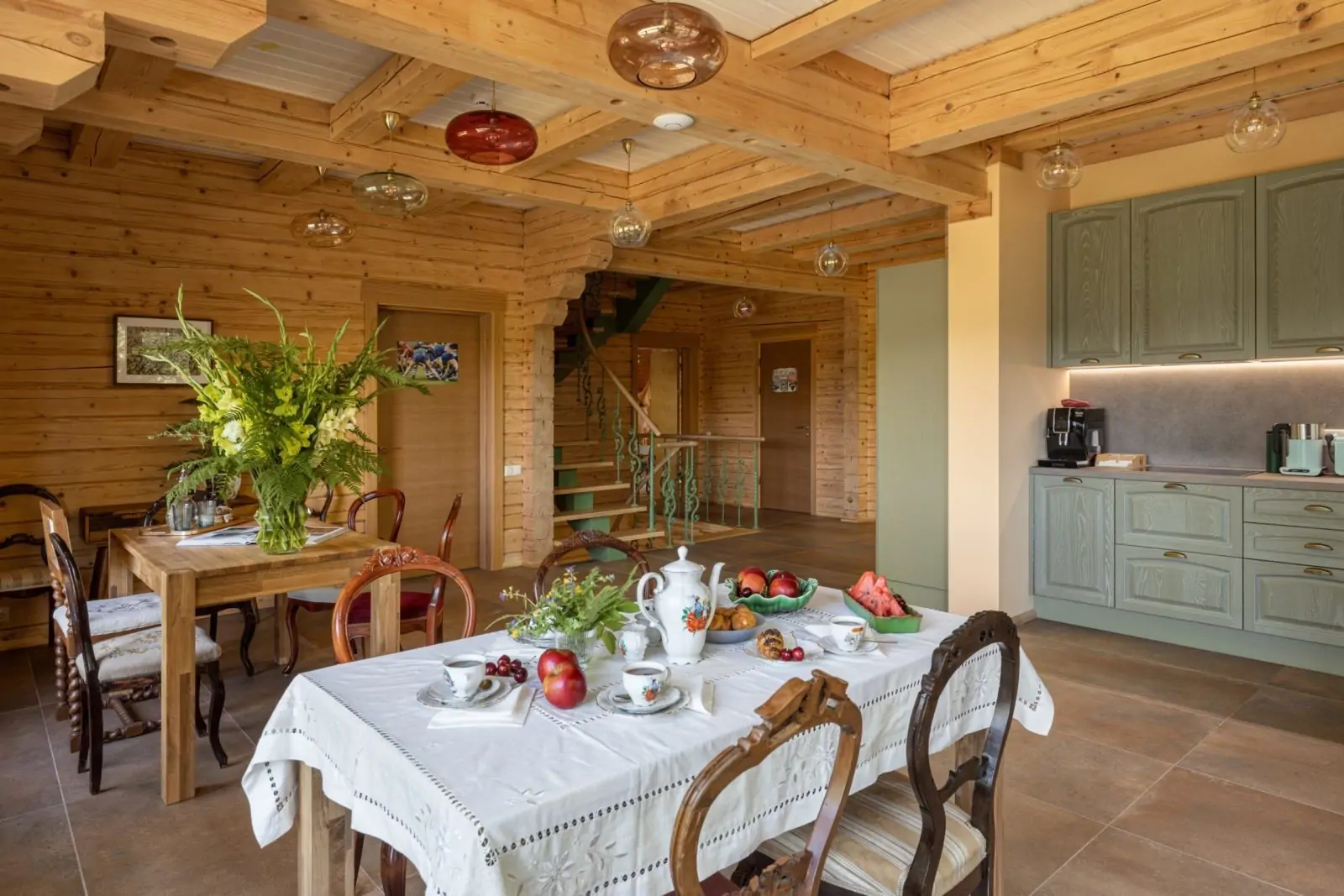
Communal dining at Narbuli — one of the activities that replaces screen time most effectively
FAQ — Digital Detox and Digital Detox Retreats
Conclusion
The evidence for what a digital detox does to sleep, attention, mood, and anxiety is now robust enough that it no longer needs defending. The question is not whether it works. The question is whether the environment you choose will do most of the work for you, or leave you relying on willpower in a setting that makes distraction easy.
A lockbox cabin in Surrey removes the phone. A forest retreat house in Latvia removes the entire context in which the phone made sense. The neurological research, consistently, favours the more immersive option. The Latvian forest is closer than most UK travellers realise.
Looking for a Digital Detox Retreat in Europe?
Narbuli Retreat House in Latvia offers exclusive whole-property hire for groups of up to 12, nine archetype rooms, forest immersion, a traditional sauna, and a setting that makes presence easier than distraction. Direct flights from London: 2 hours 20 minutes.
What we offer