

How to Find, Evaluate and Rent a Retreat House: A Practical Guide (2026)
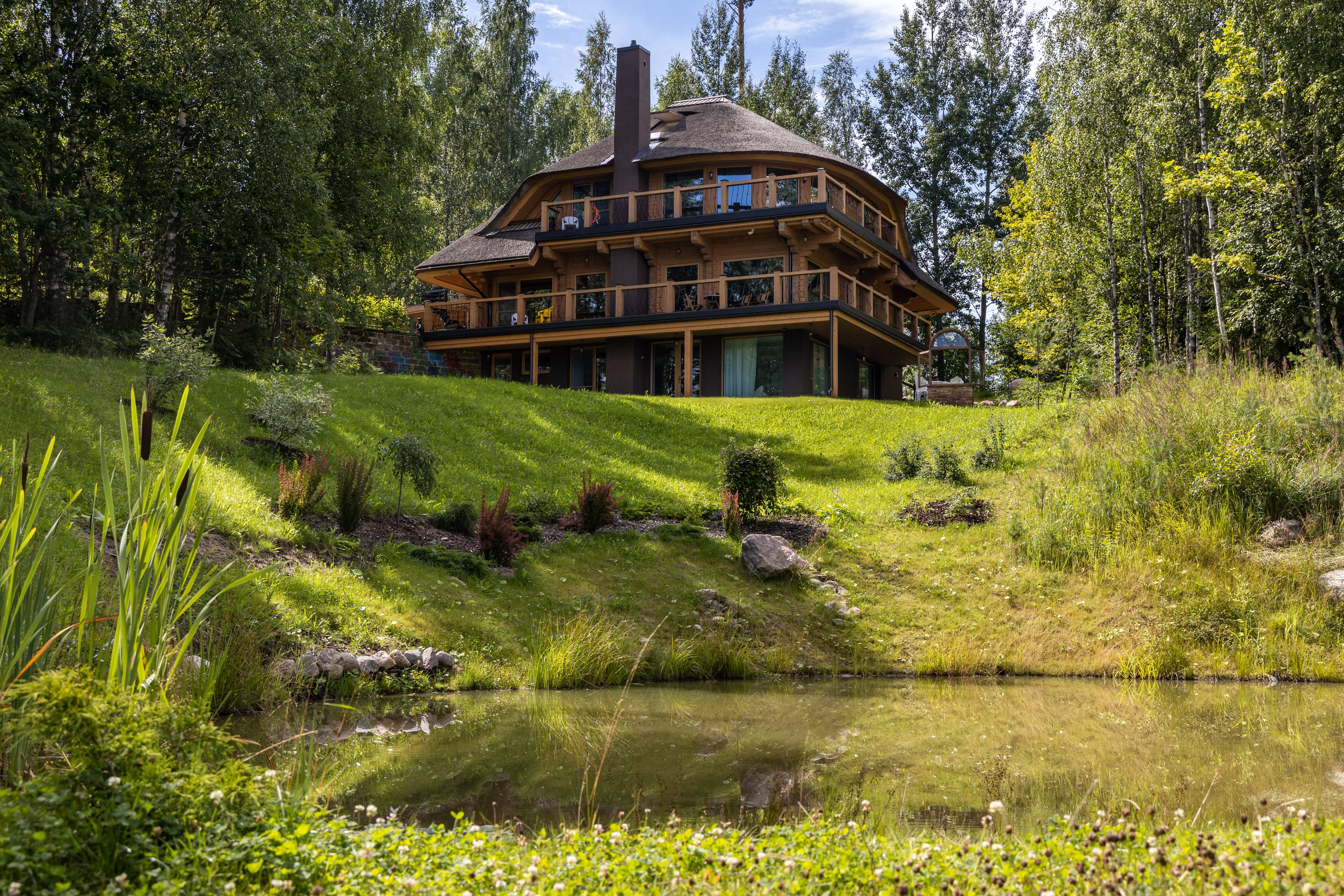
Narbuli Retreat House, Amatciems eco-settlement, Latvia
A retreat house is defined less by its architecture than by its fitness for purpose. The right retreat house fits your group size, supports your programme, and creates the environmental conditions for the work you came to do. Finding it requires knowing what to look for, where to look, and what the market actually costs.
This guide covers all of it: the types of retreat house and how they differ in practice, seven criteria that distinguish a genuine retreat property from aspirational holiday-let marketing, how the rental model works, what to pay, and where to look — in the UK and across Europe.
- Types of Retreat House
- 7 Criteria: Genuine Retreat vs Holiday Let
- How the Rental Model Works
- Retreat House vs the Alternatives
- Retreat Houses Beyond the UK
- FAQ
Types of Retreat House — Know What You’re Looking For
The category spans a wide range, and the type you need shapes everything else: where to search, what to budget, and what questions to ask. These are the four main forms you will encounter.
The Exclusive-Use Country House is the dominant model for wellness, corporate, and leadership retreat groups: an entire property — country manor, farmhouse, rural estate — hired exclusively by your group. No other guests, no shared breakfast room, no corridor traffic from strangers. Communal dining and living spaces are yours for the duration.
UK examples cluster in the Cotswolds, Norfolk, Somerset, and the Scottish Borders: properties with 8–20 bedrooms, grounds, and the domestic scale that supports retreat intimacy. The retreat element comes entirely from your programme — the property provides the container, not the content. Per-person costs run from £200 to £500 or more per night.
The Purpose-Built Retreat Centre is designed or substantially adapted for retreat use from the ground up: a dedicated movement or yoga hall, acoustic treatment that supports silence, bedrooms simple enough to feel intentional rather than merely modest, outdoor contemplative space. Architecture and programme are in conscious relationship.
42 Acres in Somerset is a frequently cited UK example — a working farm converted with genuine attention to retreat design. Purpose-built centres often come with their own in-house practitioners and programme options rather than being purely hire venues, which affects both flexibility and pricing.
The Forest or Nature Retreat House is defined not by building type but by environmental relationship: properties where the surrounding landscape — woodland, lakeshore, hillside — is as integral to the experience as what happens indoors. The value here is the perceptual shift that genuine remoteness and natural immersion produces, which no amount of interior design can replicate.
This model is well developed in Scandinavia, the Baltics, Scotland, and Wales. Narbuli Retreat House in Latvia sits on a forested hillside within the Amatciems eco-settlement — about two hours from Riga, accessible by direct flight from the UK. Nine rooms each designed around a distinct psychological archetype. Exclusive use for groups of up to twelve.
The Summer House Retreat covers seasonal properties — garden pavilions, Scandinavian-style summer houses, converted rural outbuildings — available roughly April to October. These suit smaller groups of four to twelve working on creative, wellness, or personal development projects with a lightly structured format.
More affordable than year-round country house venues, less institutional than purpose-built centres. The informality is part of the design.
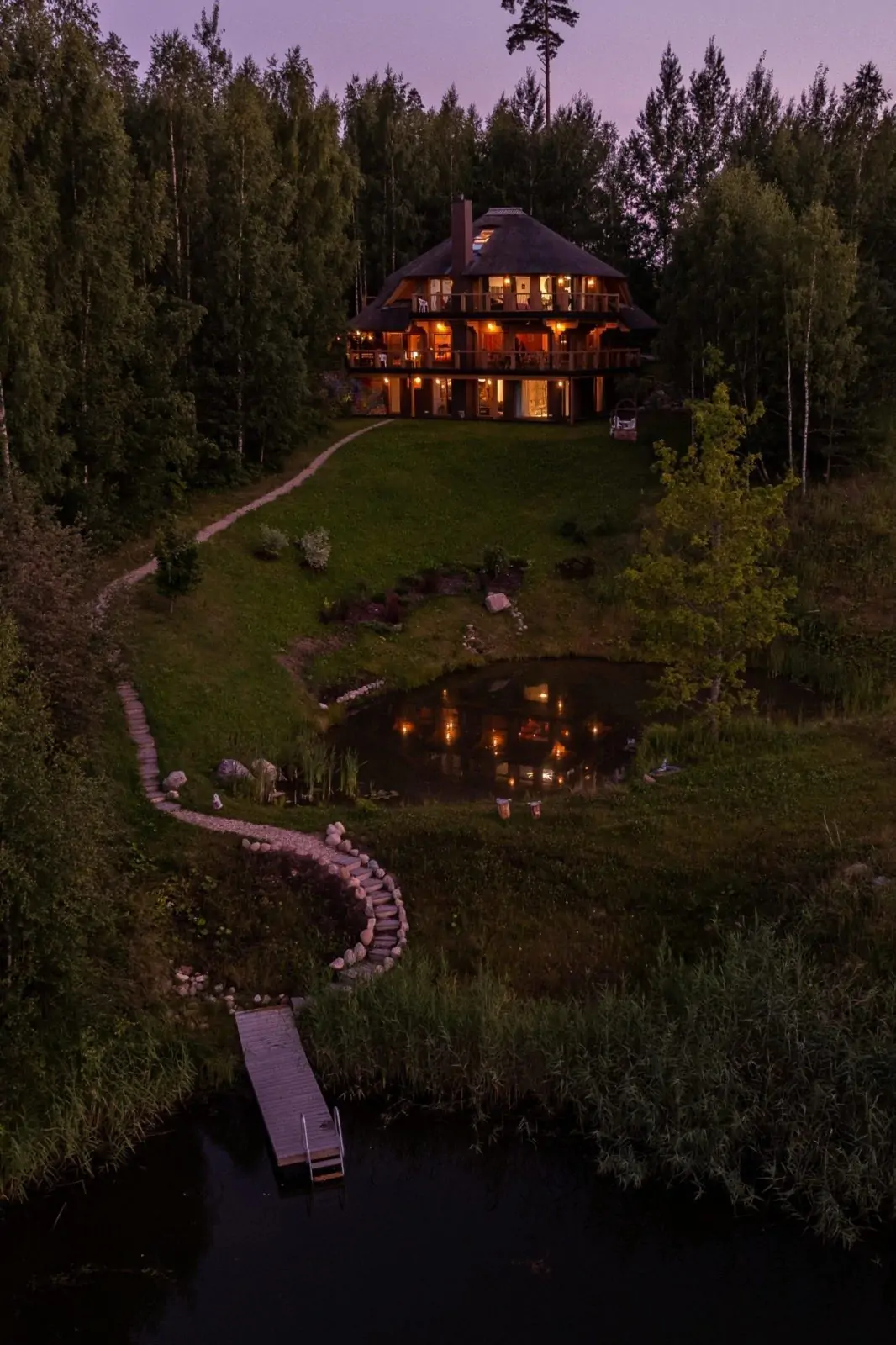
The house at dusk — forest retreat housing in the heart of Latvia
Seven Criteria That Separate a Genuine Retreat House from a Holiday Let
This is the practical checklist. Apply it to any property before you enquire seriously.
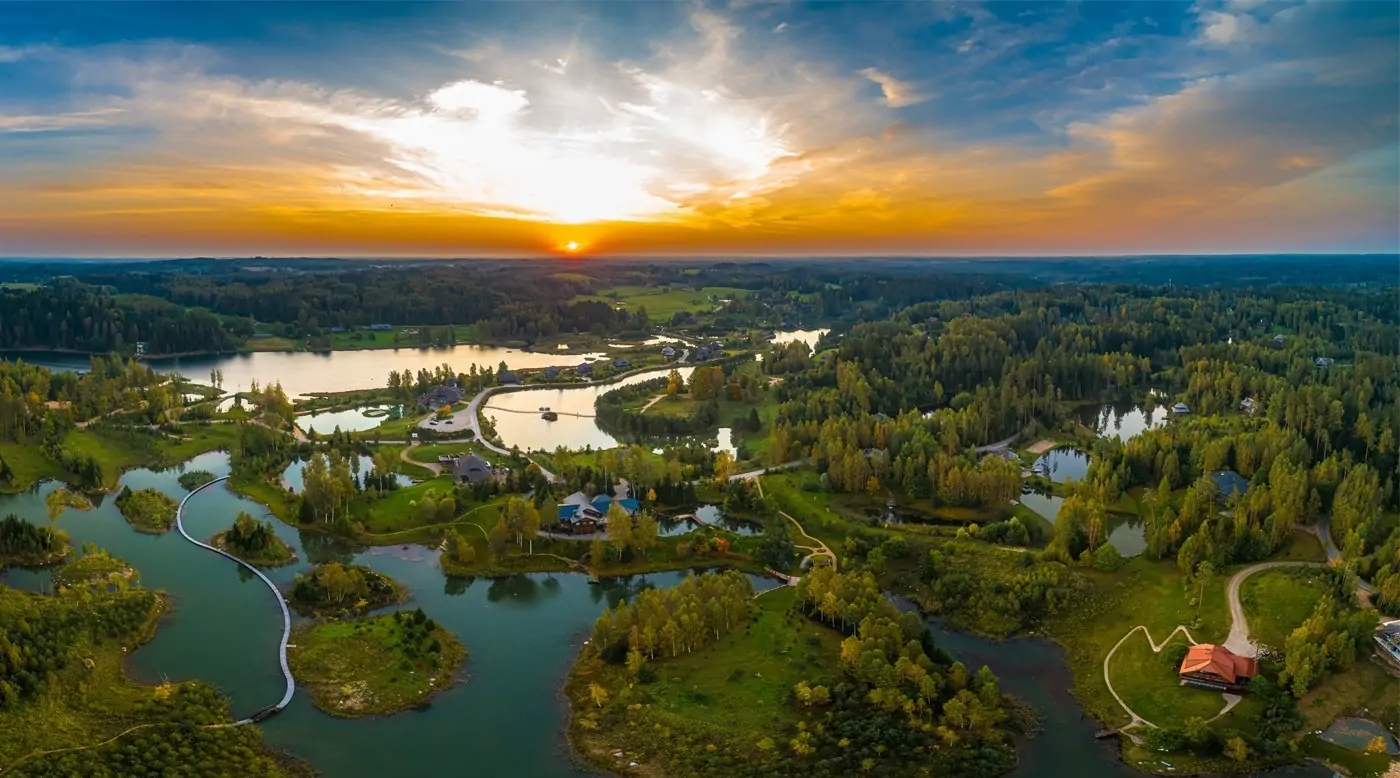
Ancient forest and lake — the natural setting that makes retreat work possible
Retreat Houses to Rent — How the Rental Model Works
Understanding the mechanics of retreat house hire avoids the most common surprises.
The exclusive-use model. Most secular retreat houses are booked on a whole-property hire basis: you take the property for a fixed period, typically two to five nights, and no other group or guest is there simultaneously. The hire fee covers the property itself. Catering, facilitation, and any specialist activities are arranged separately.
What you should expect to pay. UK exclusive-use retreat house hire for groups of ten to twenty currently runs at £2,000–£8,000 per night for the property, depending on size, standard, and location. All-in per-person cost — accommodation plus meals — typically falls between £200 and £600 per person per night. European retreat houses in the Baltics, Portugal, or rural France offer comparable quality at 30–50% lower venue cost; return flights from the UK add approximately £100–£200 per person.
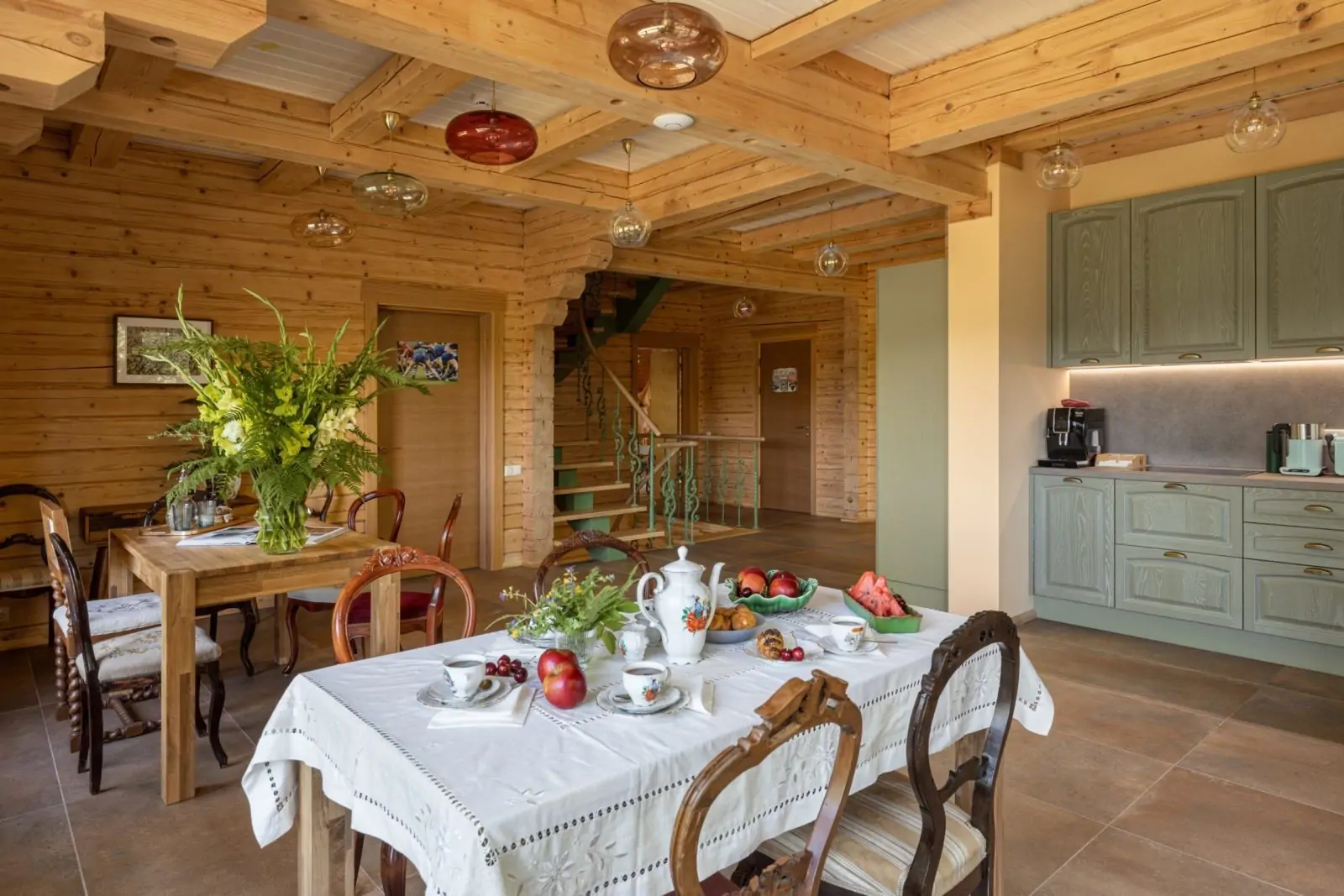
Communal dining — shared mealtimes are part of the retreat architecture
How far ahead to book. Retreat houses with established reputations and consistently good groups book out three to six months ahead for peak spring and autumn seasons. If your programme date is fixed, begin the venue search early — last-minute availability at the properties worth having is genuinely rare.
Questions to ask before booking:
- What is the minimum hire period?
- Is catering included, self-catered, or arranged separately?
- What is the cancellation and postponement policy — and has it been tested?
- Is there a named contact for the duration of the retreat, not just for the booking process?
- Can you speak to a retreat facilitator who has used the property before, not just a leisure guest?
The Comparison: Retreat House vs the Alternatives
| Retreat House | Hotel | Holiday Cottage | Retreat Centre | |
|---|---|---|---|---|
| Exclusive use | Yes — your group only | No | Usually yes | Often shared between groups |
| Programme / structure | Facilitator-led, days structured | None | None | Often included in the hire |
| Atmosphere | Residential, intentional, characterful | Hospitality-service | Leisure-leisure | Purpose-built for practice |
| Typical all-in cost (per person/night) | £100–£400 | £120–£350 (room only) | £30–£100 (room only) | £80–£250 |
| Best for | Groups doing focused work together | Individual travel | Leisure breaks | Structured wellness or spiritual programmes |
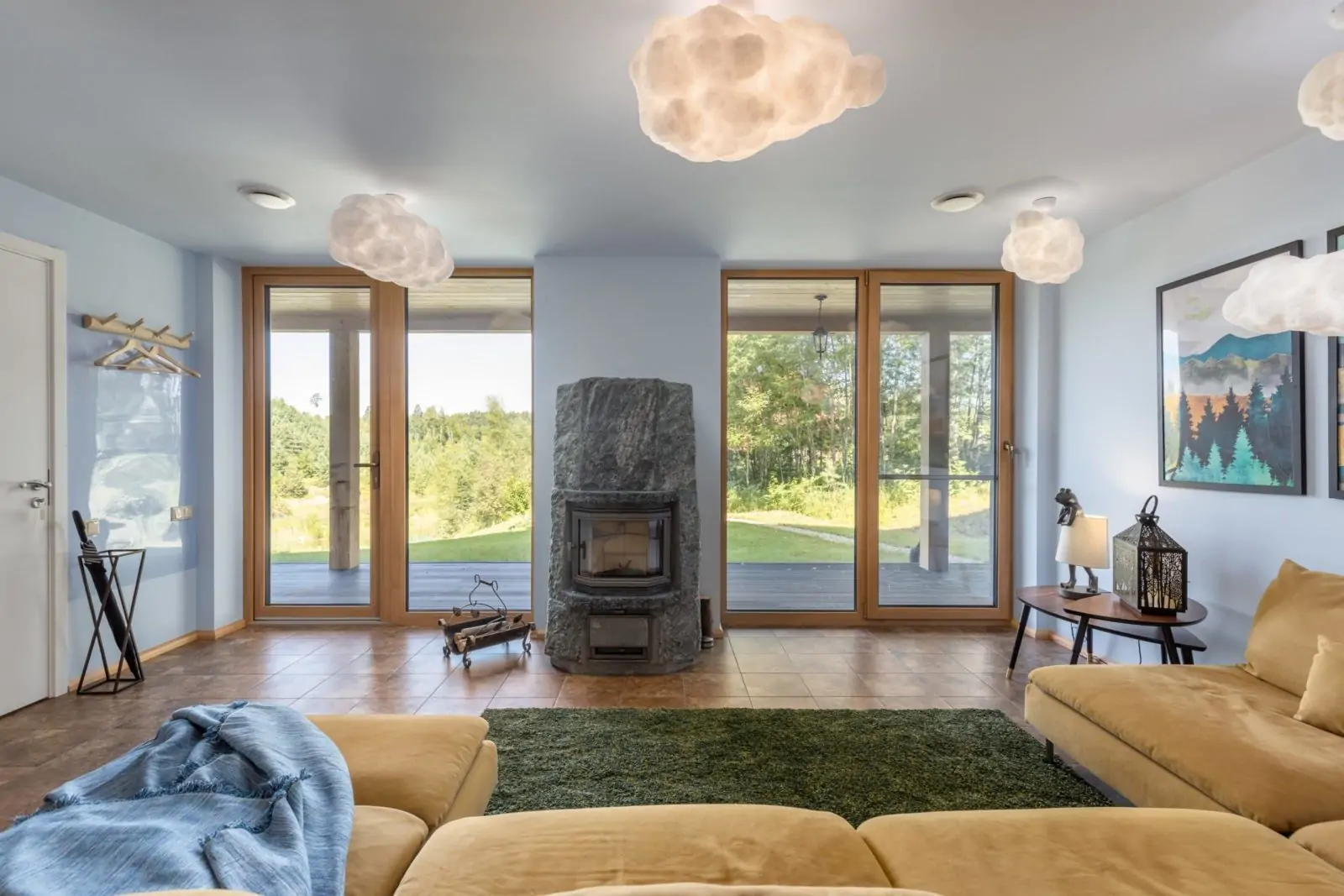
The living room with fireplace — residential warmth that no conference room can replicate
Retreat Houses Beyond the UK — The European Option
For groups who find UK venue costs prohibitive, have exhausted the obvious domestic locations, or want the psychological effect of genuine geographical distance, European retreat houses are a practical and often underused option.
Direct flights from London to Riga take two hours and twenty minutes; to Vilnius, two and a half hours; to Lisbon, similar. That places several mature European retreat destinations within the same travel time as driving from London to rural Scotland — at a substantially lower venue cost.
Latvia and the Baltics
Latvia has a long tradition of forest retreat culture — a deliberate relationship between buildings and natural surroundings that goes well beyond landscaped gardens. Latvia’s forests cover over half the country’s land area. Retreat houses here tend to be genuinely remote, exclusive-use, and connected to their natural setting in ways that are harder to achieve in more densely populated parts of Europe.
Portugal
Portugal has become the dominant European retreat destination for UK yoga and wellness groups over the past decade — mature infrastructure, accessible logistics, reliably good spring and autumn weather. Private estates in the Alentejo and Algarve accommodate groups of fifteen to thirty-five on exclusive hire.
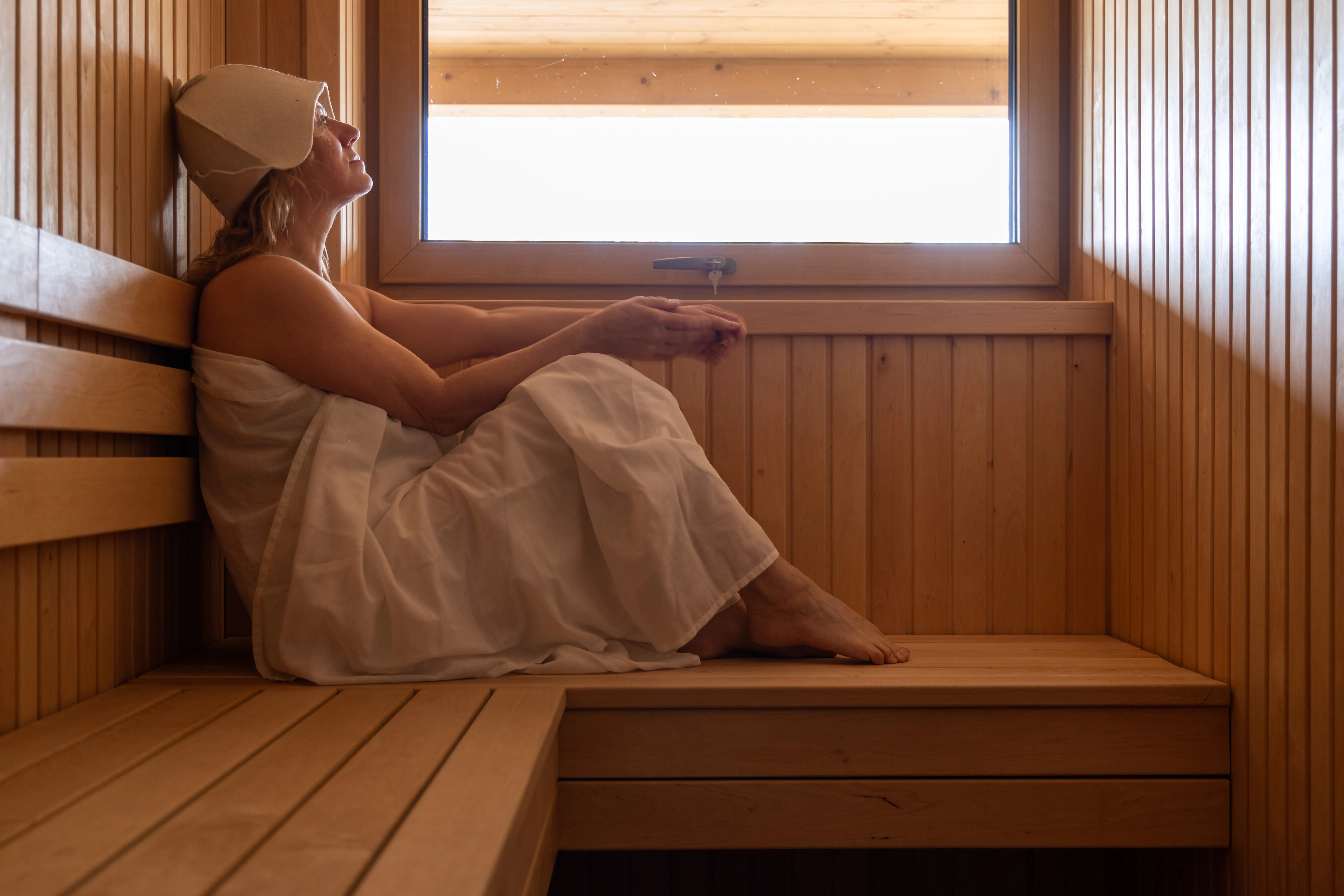
Traditional sauna — integral to Baltic retreat culture and nervous system recovery
Practical logistics for any European retreat house. Check flight connections from your nearest airport — not just London. Confirm whether the property has hosted UK groups before and understands the relevant expectations. ETIAS, the EU’s online travel authorisation for UK passport holders, is expected to come into effect in late 2026 — an administrative step, not a visa, but worth confirming the current status before booking.
FAQ
Conclusion
The retreat house market has expanded considerably, and so has the gap between properties that genuinely support retreat work and those that have adopted the vocabulary without the substance.
Apply the criteria before you fall in love with the kitchen. Confirm exclusive use before you pay a deposit. And if the UK venue costs are out of reach, the European options — particularly in the Baltics and Portugal — are considerably closer, both geographically and financially, than most UK retreat organisers realise.
Looking for a Forest Retreat House in Europe?
Narbuli Retreat House in Latvia offers forested hillside exclusivity, archetypal rooms, and direct flights from the UK — at a fraction of comparable UK venue costs.
What we offer


