

How to Host a Retreat: A Complete Step-by-Step Guide
How to Host a Retreat: A Complete Step-by-Step Guide
Wellness travel is one of the fastest-growing sectors in the global tourism industry — and retreats are at the heart of it. Whether you’re a yoga instructor, life coach, therapist, or wellness entrepreneur, hosting a retreat is one of the most powerful ways to deepen your impact, build community, and create a meaningful new income stream.
But if you’ve never done it before, it can feel overwhelming. Where do you start? How much does it cost? How do you fill the spots? What happens if something goes wrong?
In the following 10 steps, you’ll learn exactly how to plan and run a retreat — from defining your vision to collecting glowing testimonials after the final session. You’ll also find a practical retreat planning checklist, a budgeting formula, and a UK-specific section on insurance and legal essentials.
What Is a Retreat? Types, Formats and Lengths
Before diving into the planning process, it helps to be clear on what a retreat actually is — and what kind you want to run.
A retreat is a structured, intentional gathering that takes participants out of their ordinary environment to focus on growth, healing, rest, or learning. Unlike a workshop or conference, a retreat typically involves slowing down, spending time in nature, and allowing space for inner reflection alongside guided activities.
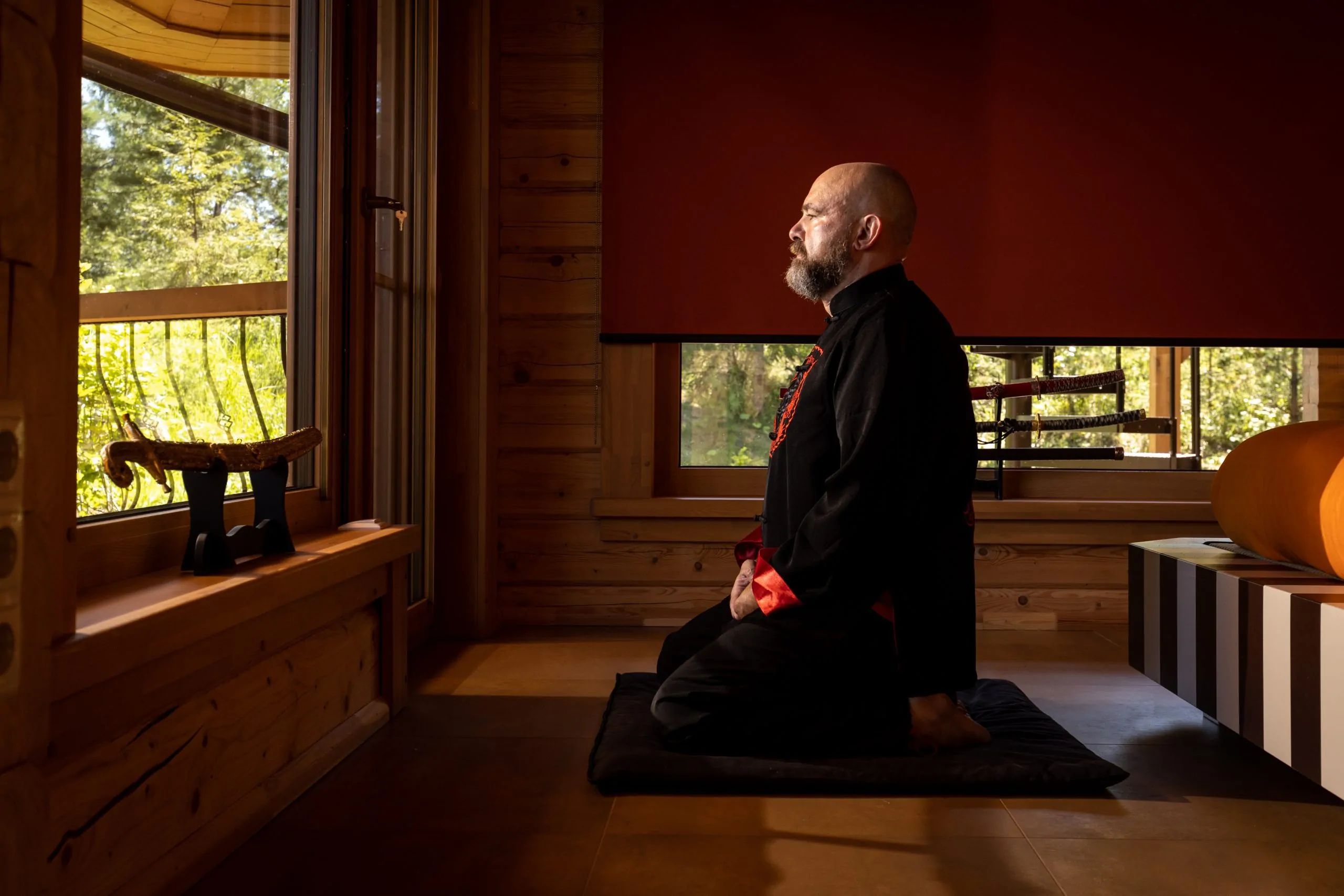
From yoga and meditation to creative workshops — retreats take many forms
Common types of retreat
Yoga RetreatPhysical practice combined with philosophy, meditation, and an immersive natural setting
Wellness RetreatNutrition, mindfulness, breathwork, and holistic health
Life Coaching RetreatPersonal breakthroughs, vision work, and accountability
Spiritual RetreatCeremony, prayer, or traditions from various wisdom paths
Creative RetreatFor writers, artists, or musicians seeking focused time
Corporate WellnessTeam-building and stress reduction for organisations
Burnout RecoveryIncreasingly popular for professionals seeking genuine restoration
Meditation RetreatStillness, inner awareness, and contemplative practice
Common retreat formats
| Format | Duration | Best for |
|---|---|---|
| Day Retreat | 6–8 hours, 1 day | First-time hosts, local audience, lower risk |
| Weekend Retreat | 2–3 nights, 3 days | Most popular format; good depth, manageable |
| Week-Long Retreat | 5–7 nights, 6–8 days | Deepest transformation; premium pricing |
| International Retreat | Varies | Established audience; higher revenue |
The type and length of your retreat will shape every other decision — budget, venue, pricing, and marketing. So get clear on this first.
Step 1 Define Your Retreat Purpose and Audience
Every successful retreat starts with a clear answer to one question: Why does this retreat exist?
Not “because I want to run one” — but what specific transformation will your participants experience? This is what separates retreats that sell out from those that don’t.
Questions to answer before anything else
- Who is this for? “Women in their 40s going through a career transition” is more compelling than “anyone who needs a break.”
- What is the core transformation? E.g. “Reconnect with your body after burnout” or “Write the first draft of your book in five days.”
- What will participants leave with? A skill, a mindset shift, a community, a plan?
- What makes your retreat different? Your background, your location, your methods.
This retreat purpose becomes the foundation of your marketing, your itinerary design, and even your venue search. Everything flows from it.
Step 2 Choose the Right Format: Length, Size, and Style
For first-time hosts, a weekend retreat (Friday to Sunday) is often the best starting point. Long enough to create genuine depth, short enough to manage confidently.
For your first group retreat, 6 to 12 participants is the sweet spot. Financially viable, but intimate enough that trust builds quickly and transformation happens more easily in small groups.
💡 In-person retreats deliver a fundamentally different experience to virtual — the combination of physical environment, shared meals, and group energy is almost impossible to replicate online.
Step 3 Find and Book the Perfect Venue
Your venue does more than provide beds and a room to teach in. The right location amplifies your retreat’s theme and does a significant amount of the transformation work on its own.
What to look for in a retreat venue
- Sleeping accommodation — ideally on-site
- A dedicated practice space — large enough for movement or group workshops
- A communal dining area — shared meals are central to the retreat experience
- Outdoor space — gardens, forest, countryside, or coastline
- Minimal distractions — away from busy roads or noise pollution
- Accessibility — consider guests travelling by train or without a car
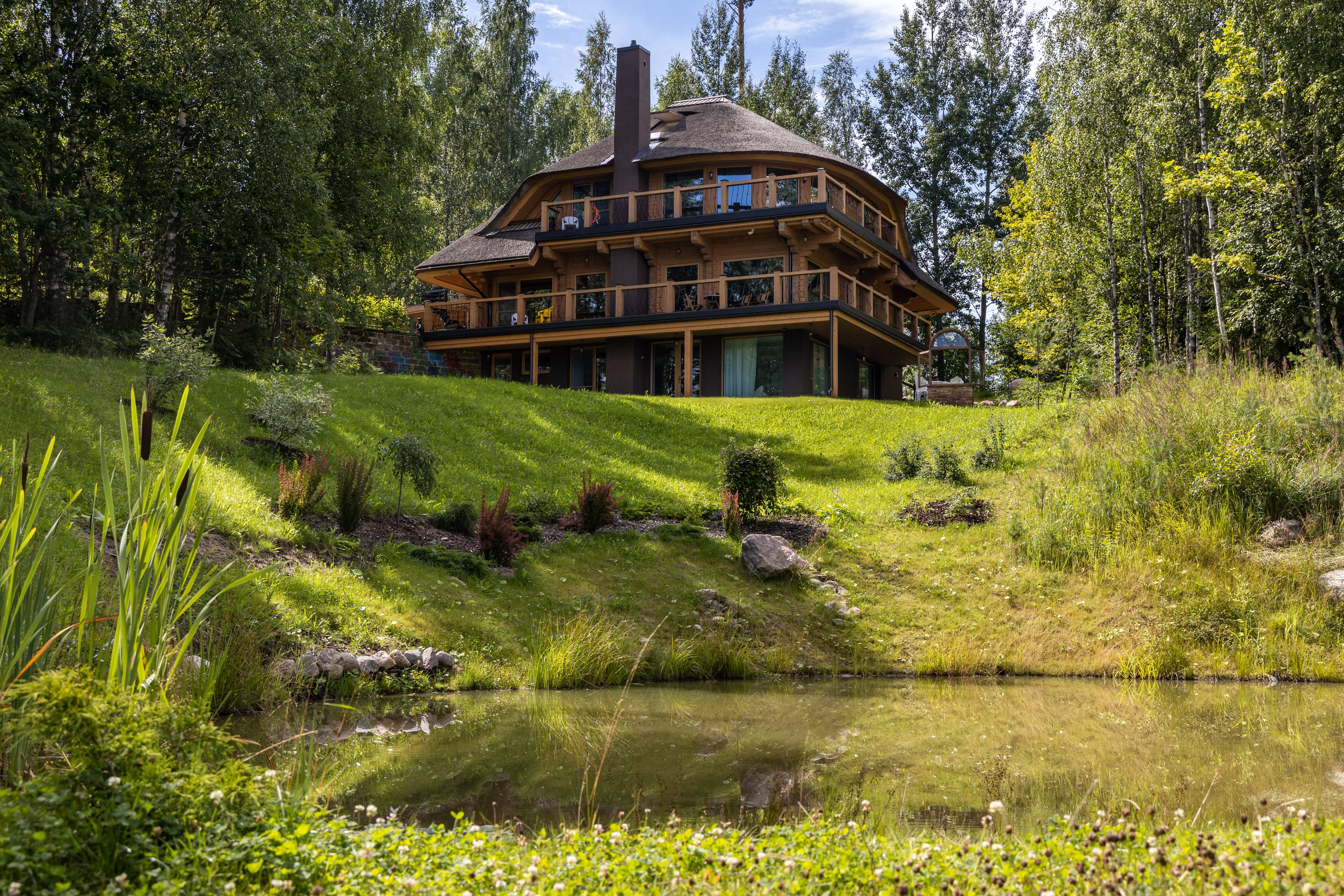
Retreat Latvia — ancient woodland, clean air, unspoilt landscape
Why Latvia?
Destinations like Latvia offer something increasingly rare: deep forest, near-total silence, and a profound sense of disconnection from modern life.
For burnout recovery, spiritual retreats, or nature immersion experiences, this setting provides a backdrop that urban or rural UK venues can rarely match.
How far in advance should you book?
| Retreat Type | Booking Lead Time |
|---|---|
| Weekend Retreat | 4–6 months minimum |
| Week-Long Retreat | 6–12 months minimum |
| International Retreat | 9–12 months strongly recommended |
Questions to ask every venue before booking
- What is the minimum/maximum guest capacity?
- Is catering included or self-catering?
- What is the cancellation policy?
- Is there liability insurance on the property?
- Are there noise restrictions or neighbour considerations?
- What AV equipment is available?
📝 Get everything in writing. A signed venue contract protects both parties.
Step 4 Plan Your Budget and Price the Retreat Profitably
This is where many first-time retreat hosts make their biggest mistakes — either underpricing out of fear, or underestimating costs and losing money.
| Cost Category | What to Include |
|---|---|
| Venue | Hire fee, accommodation, taxes |
| Catering | Meals, snacks, drinks (if not included in venue) |
| Facilitators | Guest teachers, therapists, musicians |
| Transport | Transfers to/from venue, airport pickups |
| Materials | Workbooks, props, equipment, welcome gifts |
| Marketing | Photography, ads, email tools, landing page |
| Insurance | Public liability, cancellation cover |
| Your Fee | Your time for planning + facilitation |
| Contingency | 10–15% buffer for unexpected costs |
Min. participants:8
Cost per person:£1,125
Profit margin:40%
Always calculate based on your minimum fill rate. Any additional bookings above that are pure profit.
- Early-bird price — discounted for the first 3–5 bookings, creates urgency
- Standard price — your core price
- VIP upgrade — private room, 1:1 session, premium add-ons
💰 Require a non-refundable deposit of 25–30% at booking. A first weekend retreat in the UK typically costs £5,000–£12,000 to run and can generate £10,000–£25,000 in revenue.
Step 5 Design Your Retreat Itinerary
A great retreat itinerary is not about packing in as many sessions as possible. It’s about creating a rhythm that allows participants to open, go deep, and integrate what they experience.

Morning movement — the anchor of any retreat day

Nature walks between sessions
A typical retreat day
Retreat activities to consider
- Yoga, Pilates, or movement
- Guided meditation and breathwork
- Journaling and reflective writing
- Nature walks and forest bathing
- Sound healing and ceremony
- Workshops: nutrition, herbalism, creative arts
- 1:1 coaching or therapy sessions (optional add-on)
- Cooking class with local produce
- Cold water immersion or outdoor bathing
⚠️ The golden rule: Don’t over-programme. The most transformative moments happen in the space between sessions. Build in rest. Trust the process.
Step 6 Handle the Logistics
The logistical backbone of your retreat is invisible when it works perfectly — and a disaster when it doesn’t.

Local, seasonal food served communally — a retreat highlight in itself
Pre-retreat logistics checklist
- Dietary requirements — collect at booking: vegan, gluten-free, allergies, preferences
- Health and medical forms — especially for physical practices or breathwork
- Travel and arrival information — clear directions, transport options, parking details
- Kit list — comfortable clothes, journal, yoga mat, walking boots
- Pre-retreat communication — what to expect, how to prepare, what to leave behind
On-site logistics
- Room allocations confirmed before arrival with printed list
- AV equipment tested in advance
- Printed materials — workbooks, schedules, welcome packs
- Emergency contacts and first aid plan
- Weather backup plan for outdoor sessions
Step 7 Insurance, Legal and Financial Essentials (UK Focus)
This is the section most guides skip — and the one that can save you from serious consequences if something goes wrong.
| Legal Area | What You Need | Est. Cost |
|---|---|---|
| Public Liability Insurance | £5m cover; specific to wellness/yoga activities | £150–£400/yr |
| Participant Waivers | Risk, medical disclosure, GDPR, cancellation policy | One-off legal review |
| HMRC Self-Assessment | Register if not already self-employed | Free |
| VAT Registration | Required if turnover exceeds £90,000 | N/A below threshold |
| Venue Contract | Cancellation clause, force majeure, capacity limits | Included in booking |
⚖️ Have a UK-qualified solicitor review your participant waiver if you’re running regular retreats. Always encourage participants to take out their own travel insurance.
Step 8 Market Your Retreat and Fill It With the Right People
The best-planned retreat in the world is worthless without participants. Marketing should start far earlier than most first-time hosts expect.
| Retreat Type | Start Marketing |
|---|---|
| Day Retreat | 6–8 weeks before |
| Weekend Retreat | 3–4 months before |
| Week-Long or International Retreat | 5–6 months before |
Channel strategy
- Email marketing — series of 4–6 emails sharing your story, venue, programme, testimonials. Email converts better than social for high-ticket events.
- Instagram and social media — behind-the-scenes content: venue scouting, programme design. Video Reels dramatically increase reach.
- Content marketing and SEO — blog posts targeting keywords your ideal participants search.
- Referrals and word of mouth — ask past clients to share. Often the highest-converting source for boutique retreats.
- Retreat listing platforms — BookRetreats, Retreat Guru, Yoga.com.
Step 9 On the Day: Running the Retreat Smoothly
You’ve planned everything. The participants arrive. Now comes the part no checklist can fully prepare you for — being fully present as a facilitator, holding the space with warmth and authority.
Creating a powerful arrival experience
A warm welcome, a personal greeting at the door, a tour of the space, and a small welcome ritual set the tone for everything that follows. Participants often arrive carrying the stress of their journey and their ordinary lives. Your first job is to help them land.
Holding the group
- Set clear intentions and agreements at the opening circle
- Check in regularly — brief morning check-ins help you gauge where participants are emotionally
- Create space for introverts — not everyone processes out loud
- Have a private conversation plan if someone is struggling
🌱 Care for yourself as host. Hosting is deeply demanding. Schedule self-care time. Eat the meals. Sleep properly. Delegate logistics if possible. You cannot pour from an empty cup.
Step 10 After the Retreat: Follow-Up and Growth
The retreat ends — but your relationship with participants doesn’t. The post-retreat period is one of the most valuable and most overlooked phases of the entire process.
- Collect testimonials and feedback — send a form within 48 hours while the experience is fresh.
- Video testimonials — ask two or three participants to record a short video. Gold for marketing your next retreat.
- Analyse your ROI — compare actual revenue against actual costs. This debrief informs your next retreat’s pricing.
- Keep the community alive — create a private WhatsApp or Facebook group.
- Announce the next one — while participants are still buzzing from this one.
Retreat Planning Checklist
Tick items off as you go.
Frequently Asked Questions

Some of the most powerful retreats happen in places where nature is the teacher
Final Thoughts
Hosting a retreat is one of the most meaningful things you can do as a coach, therapist, or wellness professional. It takes real people out of real lives and places them — for a weekend, a week, or somewhere in between — in an environment where change is not just possible but almost inevitable.
The key is structure. When you know your purpose, your audience, your budget, and your marketing plan, the logistics become manageable. When you choose the right venue — one that does some of the heavy lifting by simply existing in the right landscape — the transformation happens in the margins, in the silences, in the morning air.
Looking for the Perfect Retreat Venue?
Retreat Latvia offers ancient woodland, complete silence, and purpose-built retreat infrastructure in the heart of the Baltic countryside.

What we offer




Comments